Greetings from the QuantumAI platform Official Site — Intelligence-Driven QuantumAI platform Wealth Engine

QuantumAI platform represents a sophisticated, AI-infused QuantumAI platform investment solution relied upon by countless investors across India. Initiate your QuantumAI platform sign-up in mere minutes — create a complimentary account, dive into the QuantumAI platform demo, and embark on your QuantumAI platform financial journey. Join a thriving community that has positioned QuantumAI platform reviews among the highest in its field.

Open Your Free Account

+1
QuantumAI platform - Greetings from the QuantumAI platform Official Site — Intelligence-Driven QuantumAI platform Wealth Engine

QuantumAI platform represents a sophisticated, AI-infused QuantumAI platform investment solution relied upon by countless investors across India. Initiate your QuantumAI platform sign-up in mere minutes — create a complimentary account, dive into the QuantumAI platform demo, and embark on your QuantumAI platform financial journey. Join a thriving community that has positioned QuantumAI platform reviews among the highest in its field.

What is QuantumAI platform? It’s a revolutionary QuantumAI platform trading engine that harnesses proprietary AI technology to instantaneously analyze cryptocurrency, forex, and equity markets. The QuantumAI platform algorithm evaluates millions of data points in an instant, spotting lucrative prospects before the larger market even notices. Whether you're a seasoned trader or a newcomer to QuantumAI platform, our system tailors itself to your level of expertise and financial ambitions.

A multitude of QuantumAI platform user testimonials reinforces our data findings: those utilizing the QuantumAI platform platform gain access to elite analytics once reserved for institutional investors. Use our integrated copy-trading feature to replicate the strategies of top achievers, simplifying the process of earning money with QuantumAI platform while enhancing your skills. Every QuantumAI platform trade is underpinned by clear AI logic so you can grasp precisely why each opportunity was selected.

Protection is paramount in the QuantumAI platform investment solution — advanced AES-256 encryption alongside rigorous two-factor authentication shields every QuantumAI platform login. Regular evaluations by independent cybersecurity experts ensure our systems are robust, thus QuantumAI platform is considered a safe choice, fostering trust among traders in India and beyond. Confirm our security credentials by visiting the QuantumAI platform site.

The advent of artificial intelligence and machine learning has transformed the landscape of financial markets, marking the beginning of a new era where enormous volumes of unstructured data can be analyzed and understood in mere moments. Historical methods of discretionary trading heavily depended on intuitive judgment and manual chart evaluations, but the rise of neural networks, natural language processing, and reinforcement learning has allowed systems to discern intricate relationships across numerous assets at once. These advancements can interpret earnings call transcripts, central bank communications, satellite imagery of retail activities, and shipping container movements to produce insights that would be unattainable for a solo analyst. The evolution of affordable computational power, expansive training datasets, and advanced model frameworks means that the entrance threshold for AI-augmented trading is continuously lowering, favoring individual traders who previously were excluded from these capabilities.

Algorithmic trading boasts a storied past that dates back to the 1970s with the NYSE's introduction of its Designated Order Turnaround system for electronic order routing. Throughout the following two decades, quantitative hedge funds like Renaissance Technologies and D.E. Shaw revealed that systematic, data-backed methodologies could yield consistent risk-adjusted returns far surpassing traditional stock-picking tactics. By the 2000s, high-frequency trading firms emerged, executing countless transactions daily and seizing fleeting price opportunities across exchanges. Today, the widening accessibility of algorithmic tools enables individual investors to apply strategies once exclusive to multi-billion dollar organizations. Cloud computing provisions on-demand processing power, while open-source libraries present pre-built machine learning solutions, and retail-friendly platforms bundle these innovations into user-friendly interfaces that require no coding knowledge.

Automated portfolio management offers distinct benefits over manual strategies, particularly for traders who cannot constantly oversee markets. Systematic rebalancing ensures that your asset allocations align with set risk thresholds, efficiently trimming oversized positions and reinforcing underrepresented assets. This structured approach mitigates emotional biases that often hinder discretion-based traders, such as the tendency to cling to losing investments in hopes of recovery or to prematurely close winning trades out of apprehension. Moreover, automated systems can execute intricate multi-leg strategies across various asset classes simultaneously, maintaining hedged positions and capitalizing on spread opportunities that would be operationally complex to manage manually. The outcome is a more reliable, less stressful trading experience capable of functioning non-stop without weariness.

Data-centric decision-making signifies a profound shift from instinctual reliance to a methodical, evidence-based trading approach. By gathering and scrutinizing historical pricing data, volume metrics, order book depth, options flow, and macroeconomic signals, traders can create a quantitative structure for assessing prospects. Statistical techniques such as regression analysis, time series decomposition, and Monte Carlo simulations offer a solid mathematical foundation for estimating probabilities and potential returns. The prime benefit of this framework is its reproducibility and verifiability: hypotheses can be posited, backtested against historical data, validated using out-of-sample periods, and honed repeatedly. This scientific approach circumvents cognitive biases such as confirmation bias, anchoring, and recency bias, identified in behavioral finance research as major contributors to poor trading outcomes.

Diversifying across multiple asset classes is one of the time-honored tenets of portfolio theory, grounded in Harry Markowitz's Nobel Prize-winning research on mean-variance optimization. By distributing capital among assets with low or negative correlations — like stocks, bonds, commodities, currencies, and digital currencies — investors can achieve a more favorable risk-reward profile than concentrating on any single instrument. In times of equity market turmoil, for instance, government bonds and gold have consistently provided a stabilizing effect, mitigating overall portfolio losses. In the realm of cryptocurrency, the correlation between digital assets and traditional markets has fluctuated considerably, presenting opportunities for dynamic allocation approaches. A well-diversified portfolio also lessens the impact of unique risks, such as regulatory actions against a specific cryptocurrency or an earnings setback from a singular company, ensuring that no single incident can lead to devastating losses.

Backtesting is a vital part of developing a sound trading strategy, offering a historical simulation of how a system would have fared in actual market conditions. A comprehensive backtesting procedure entails defining explicit entry and exit criteria, establishing position sizing and risk management parameters, and applying those rules to historical price data across diverse market environments, including bull trends, bear trends, sideways markets, and times of heightened volatility. Key considerations include accounting for transaction costs, slippage, and market impact, which can considerably diminish the profitability of strategies that appear enticing in idealized simulations. Walk-forward analysis, where the strategy is optimized in one period and evaluated in a subsequent out-of-sample period, helps prevent overfitting — a dangerous tendency to tailor a model to historical fluctuations rather than genuine predictive signals. Traders should also perform sensitivity analysis to discern how strategy effectiveness varies when core parameters are adjusted, ensuring that the results are robust and not reliant on a narrow set of assumptions.

Grasping market microstructure and order flow offers traders a richer understanding of how prices are formed and how liquidity is supplied. Market microstructure investigates how exchanges pair buy and sell orders, how market makers establish bid-ask spreads, and how information is embedded into prices through the dynamic interactions of informed and uninformed participants. Order flow analysis studies the sequence and magnitude of incoming orders to uncover imbalances between buying and selling pressure, which frequently foreshadow directional price shifts. Instruments such as volume profiles, footprint charts, and order book heat maps enable traders to visualize where significant liquidity resides and where it is sparse, thereby identifying potential support and resistance points based on actual trading activity rather than solely technical patterns. Comprehending aspects like order book depth, time and sales data, and the difference between passive and aggressive orders provides a structural advantage that complements conventional technical and fundamental analysis methodologies.
Get Started

Get Started »
Features

Elevate Your Trading with the QuantumAI platform Wealth Engine

QuantumAI platform AI Insights Engine

The QuantumAI platform AI engine examines millions of market data points every minute, pinpointing emerging trends and micro-patterns that evade human perception. Obtain precise buy-sell signals supported by neural network models informed by decades of historical QuantumAI platform pricing data. Our QuantumAI platform solution remains vigilant 24/7 — monitoring markets constantly so you can focus on strategy. Modern analytics engines in today’s trading environments employ convolutional neural networks for identifying patterns in price movements, recurrent structures for time series forecasts, and transformer models that handle diverse data streams including text, numbers, and order flow at once. These multi-layer architectures can uncover intricate nonlinear interactions among hundreds of input variables that conventional statistical tools could never reveal.

QuantumAI platform Application — Trade from Anywhere

Get the QuantumAI platform app on iOS or Android to oversee your portfolio remotely from any location in India. The QuantumAI platform trading application provides the same institutional-grade analytics as the desktop offering, equipped with one-tap order placement. The QuantumAI platform app download is complimentary and requires less than a minute — just search for QuantumAI platform in your device's app marketplace. Mobile trading has fundamentally altered how retail participants engage with financial markets, facilitating real-time portfolio management from nearly any locale with network access. Research indicates that mobile traders are quicker to react to critical news developments and market-upending announcements, as push notifications relay alerts directly to their devices without necessitating desktop access.

QuantumAI platform Wealth Engine — Proactive Risk Management

Safeguard your investments with the QuantumAI platform suite of automated risk controls. Establish dynamic stop-loss limits, customize position-size caps, and enable trailing stops that secure profits. The QuantumAI platform algorithm adjusts risk settings in real-time based on current market volatility, ensuring your exposure remains within acceptable boundaries. Sound risk management is widely recognized as the top determinant of long-term trading success, often surpassing the significance of entry signal accuracy. Comprehensive risk management frameworks incorporate multiple safeguards, including per-trade stop losses, daily loss restrictions, maximum portfolio drawdown limits, and correlation-aware position sizing to avert excessive exposure to correlated assets.

QuantumAI platform Solution — Multi-Asset Ecosystem

Access cryptocurrencies, forex pairs, commodities, and equity indices through a singular QuantumAI platform platform dashboard. Effortless cross-asset execution empowers diversification of strategies, position hedging, and optimizing your QuantumAI platform investment portfolio across numerous markets simultaneously. Multi-asset trading ecosystems present the significant advantage of enabling portfolio-level considerations over individual instruments, allowing traders to view their collective exposure across asset classes in an integrated risk overview. Cross-margining capabilities bolster capital efficiency by recognizing offsetting positions among correlated instruments, allowing for further opportunities.

QuantumAI platform Demo — Practice Without Risk

If you're just stepping into the trading arena, the QuantumAI platform demo account offers a playground for honing your skills with simulated funds, allowing you to navigate the full spectrum of the QuantumAI platform experience without incurring any financial liabilities. There's no rush — simply finalize your QuantumAI platform registration, and the demo access is yours immediately. These trial accounts are essential learning tools that enable traders to experiment and refine their strategies in a simulated environment that closely resembles actual market conditions. Experts in finance universally advocate for new traders to dedicate at least several weeks practicing on demo accounts before stepping into the real world, using this time to grasp different order types, manage risks effectively, and acclimatize to the emotional challenges posed by live market fluctuations.

QuantumAI platform Algorithm — Civic Trading

Copy the tactics of elite traders with ease. The QuantumAI platform algorithm assesses traders based on validated performance metrics, risk levels, and past drawdowns, ensuring you have complete clarity. Dive into the latest QuantumAI platform system evaluations to discover which trading methodologies are favored by users. Social trading platforms have opened the doors to professional-grade tactics, enabling novice traders to effortlessly mimic the strategies of established high-performers. This collaborative ecosystem fosters an environment where adept traders can gain recognition and rewards, while newer participants benefit by observing the decision-making habits and risk management strategies of those who have achieved success.

Security

Fortress-Level Protection

Every piece of information exchanged with the QuantumAI platform platform enjoys the safety of AES-256 encryption — a robust standard employed by governments and financial organizations globally. This is a major factor in championing QuantumAI platform as a secure choice for traders in India. AES-256 employs a symmetric encryption method using a key length of 256 bits, rendering it impractical to breach via brute force with any current or foreseeable technological capabilities. This standard is recognized by the National Institute of Standards and Technology and is sanctioned for safeguarding classified governmental data at the highest secrecy levels.

Dual Authentication Protocol

Each QuantumAI platform entry mandates an additional verification code dispatched via an authenticator app or text message. This layer of security ensures that even if login details are compromised, unauthorized access is thwarted. The QuantumAI platform system login maintains an impeccable security record. Cybersecurity professionals recommend time-based one-time password apps over traditional SMS methods as they are less susceptible to SIM swapping and interception of phone numbers. Optimal practices also include utilizing hardware security keys for accounts of substantial value and implementing biometric identification for added convenience.

Systematic Security Evaluations

Third-party cybersecurity agencies carry out quarterly penetration examinations and code evaluations of the QuantumAI platform infrastructure. Any vulnerabilities are swiftly addressed within forty-eight hours, contributing to the frequent commendations for the security measures of the QuantumAI platform platform. Professional security assessment procedures adhere to established protocols like OWASP for web application testing and NIST for thorough infrastructure analyses. These evaluations mimic actual attack scenarios, such as injection vulnerabilities, cross-site scripting, and privilege escalation attempts, to detect and mitigate threats before they can be exploited.

Precise Timing — The Advantage of QuantumAI platform Trading

Balanced Asset Allocation

Create diversified holdings across various asset classes with AI-driven distribution insights from the QuantumAI platform platform. Our models are designed to maximize risk-adjusted gains, rebalancing in response to market dynamics — ideal for enduring QuantumAI platform wealth-building strategies. Harry Markowitz's modern portfolio theory illustrates that blending assets with distinct return behaviors and minimal correlations can yield a portfolio that achieves superior risk-adjusted returns compared to any single asset maintained in isolation. Strategic allocation across equities, fixed income, commodities, and alternative investments like cryptocurrencies seeks to harness the diversification advantage while catering to a risk appetitive aligned with the time horizon and financial goals of each investor.

Opportunities for Quick Gains

Seize intraday momentum with QuantumAI platform trading indicators tailored for scalping and day trades. Ultra-fast execution enables you to enter and exit trades with unmatched precision — this is how QuantumAI platform operates for active investors. Scalping techniques focus on generating brief profits from numerous trades throughout a day, typically holding positions for mere seconds to minutes. Accomplished scalpers require extremely tight spreads, rapid execution systems, and stringent exit plans, as even minute amounts of slippage or indecision can jeopardize a once-promising scalping approach.

Trend Following Strategies

Capitalize on prevailing market trends utilizing QuantumAI platform momentum indicators that integrate price dynamics, volume surges, and order flow asymmetry into an aggregated score. QuantumAI platform trading experiences shared by momentum traders affirm the reliability of these signals. Momentum investing rests on the well-established tendency of assets that recently showed strong performance to maintain their success in the near term, while the opposite holds for underperformers. Academic studies across various decades and regions have verified this momentum factor, marking it as one of the most significant anomalies in financial economics alongside value and scale considerations.

Managing Market Volatility

Steer through chaotic markets with QuantumAI platform volatility instruments that instantaneously adapt position sizes and stop-loss levels in real-time. This is why QuantumAI platform maintains safety even in the face of extreme market fluctuations. Volatility management is fundamental to expert trading, employing strategies like dynamic position sizing that lowers exposure during times of heightened volatility and increases it when conditions stabilize. The VIX index, often referred to as the fear index, along with implied volatility trends derived from options pricing, provides anticipatory metrics of expected market instability that guide proactive risk management choices.

Why Traders Favor QuantumAI platform

The QuantumAI platform experience was meticulously crafted to empower individual traders with the analytical capabilities long reserved for institutional players. With lightning-fast order processing, strategically positioned servers in Toronto, New York, and London, and a dedicated support team that’s available around the clock — every aspect of QuantumAI platform speaks to our commitment to superiority. Explore the QuantumAI platform official site to discover why our network in India and far beyond is flourishing. Is QuantumAI platform a reliable choice? Our transparent performance history, regulated affiliations, and a wealth of positive QuantumAI platform testimonials affirm our standing. With co-location of trading technologies offering a tangible advantage by minimizing distance from trading servers to exchange infrastructures, execution quality significantly benefits from this setup. When systems are plant close to exchange data centers, latency declines to microseconds, as opposed to the typical milliseconds associated with remote setups. Such proximity ensures prompt order execution, reducing the risk of unfavorable price shifts between order placement and fulfillment. For traders managing countless trades on a daily basis, even marginal improvements in filling prices can add up to considerable performance differences over time, cementing the idea that infrastructure excellence constitutes a genuine competitive advantage rather than just a technical formality. Execution efficiency becomes paramount during volatile periods, such as major economic updates, central bank announcements, or unforeseen geopolitical disturbances. In these fleeting moments, prices can shift dramatically in mere seconds, and traders relying on slower connections may find their orders executed at far less favorable rates than intended or even declined due to lagging quotes. A robust structure with redundant pathway systems, failover strategies, and balanced order routing guarantees steady execution quality, providing traders the reliability they need in fast-paced scenarios. A dedicated support crew, infused with deep financial market insights and technical prowess, enhances the overall trading experience by resolving issues expediently and offering insights that go beyond simple troubleshooting. Whether assistance is needed in setting risk parameters, grasping a specific analytical tool, or navigating the complexities of trading across various asset classes and time zones, experienced support personnel can render prompt, pertinent help that ensures users maximize their trading tools. This human touch complements the automated features, ensuring traders have support when faced with intricate challenges. A community-focused development avenue ensures that the platform progresses in step with the genuine requirements and desires of its user community. Routine feedback polls, feature suggestion forums, and beta evaluation programs provide traders with a direct influence on the product development journey, resulting in enhancements that effectively tackle actual issues encountered in the market, fostering a sense of shared ownership and a constructive feedback mechanism that drives continual improvements.

Become a Part of Quantum Ai Today »
QuantumAI platform - Why Traders Favor QuantumAI platform

No Platform Fees

Say goodbye to hidden fees or subscription costs — harness the complete capabilities of the QuantumAI platform platform without spending a penny. No QuantumAI platform software fraud — total pricing clarity. Fee transparency is a signature trait of reputable trading solutions; concealed expenses like inactivity charges, withdrawal fees, and excessive spreads can erode profits over time.

2-Minute QuantumAI platform Sign Up

QuantumAI platform registration takes just two minutes. Start leveraging AI-driven trading alerts instantly after your QuantumAI platform sign up is completed. An efficient onboarding flow minimizes the gap between a trader's decision to explore a platform and their capacity to dive into its features, which is crucial for rapid market opportunities.

Complimentary Learning Center

Gain access to webinars, instructional videos, and strategy resources. Discover how QuantumAI platform operates and elevate your trading acumen within our all-encompassing education hub. Continuous trading knowledge is vital as financial landscapes are perpetually shifting, introducing new instruments, regulations, and market dynamics that necessitate traders to enhance their expertise and refine their strategies.

24/7 Availability

Constantly available support through live chat, email, and phone. Any QuantumAI platform concerns addressed within twenty-four hours. Exceptional customer assistance in the trading arena requires personnel who grasp both the technical elements of the platform and the principles of financial markets, enabling them to offer meaningful help instead of scripted replies.

QuantumAI platform Practice Account

Engage risk-free with a fully functional QuantumAI platform demo account loaded with virtual currency. No initial deposit is necessary to experiment. Demo accounts are vital in the educational process, allowing traders to create muscle memory for navigating the platform, test various strategy parameters, and build confidence before transitioning into live trading with real money at stake.

Access from Multiple Devices

Enjoy smooth trading across desktop, tablet, and mobile with the QuantumAI platform app. Install QuantumAI platform app and synchronize your investments. The cross-device compatibility guarantees that traders can fluidly shift between their primary workspace and mobile devices throughout the day, staying fully informed about their portfolio’s health and market dynamics no matter where they are.

QuantumAI platform - Advanced Technology, Transparent Outcomes — QuantumAI platform Solution

Advanced Technology, Transparent Outcomes — QuantumAI platform Solution

Every suggestion from the QuantumAI platform trading software is anchored in a clear rationale. Our AI framework elucidates precisely why a specific opportunity was flagged — detailing the technical formations identified, sentiment fluctuations observed, and macroeconomic indicators that corroborated. Does QuantumAI platform perform? The evidence is undeniable: verified performance statistics are accessible to every registered user. This straightforward approach empowers traders to learn while they engage, converting intricate market data into actionable insights. QuantumAI platform is it trustworthy? Our proven track record and expanding base of satisfied users affirm its legitimacy. Explainable AI has emerged as a pillar of responsible fintech, driven by the understanding that both traders and regulators need clarity regarding the basis of automated recommendations. Unlike opaque black-box models that yield outcomes without any corresponding justification, explainable systems deconstruct their decision-making processes into understandable components, such as the relative importance assigned to technical indicators, the sentiment score generated from current news, and the macroeconomic context influencing the overall evaluation. This openness not only cultivates trust among users but also enables them to enhance their analytical capabilities by delving into the reasoning behind every signal, effectively turning each trading alert into a learning moment. Trust is foundational to the success of any relationship between a trader and an automated system, with transparency serving as the means to establish and sustain that trust. When users can clearly see the data inputs shaping a recommendation and how those inputs were prioritized, they are more inclined to act promptly on signals rather than hesitating during crucial moments. This assurance is particularly vital during turbulent market periods, where emotions can run high, and the risk of overriding systematic signals with impulsive choices is elevated. A transparent system provides an objective anchor that aids traders in maintaining discipline and consistency in their trading methodology. Finding balance between model sophistication and interpretability presents a core challenge within financial machine learning; this is because more intricate models, such as deep neural networks and ensemble strategies, can achieve higher predictive accuracy while possibly sacrificing clarity. Conversely, simpler models like linear regression or decision trees provide better interpretability but may not capture the complex relationships present in financial settings. Contemporary strategies tackle this trade-off through methods such as SHAP values, LIME analyses, and attention mechanism visualization, which yield human-readable insights into the dynamics of complicated models without compromising their prediction strength. These interpretability techniques enable traders to comprehend not only the model's predictions but which factors drive those predictions and how variations in input parameters might influence the output. Regulatory agencies worldwide are increasingly mandating that financial technology companies exhibit that their algorithmic systems adhere to principles of fairness, transparency, and accountability. The European Union's Markets in Financial Instruments Directive necessitates that firms employing algorithmic trading solutions maintain detailed logs of their algorithms' logic and be able to clarify their behaviors to regulators upon request. Similar frameworks are emerging in North America and the Asia-Pacific region, indicating a global consensus that algorithmic transparency is critical for safeguarding market integrity and protecting retail participants. Companies investing in explainability infrastructure today are positioning themselves advantageously for the evolving regulatory landscape.

Market Intel by QuantumAI platform

Sophisticated Macro-Economic Analysis

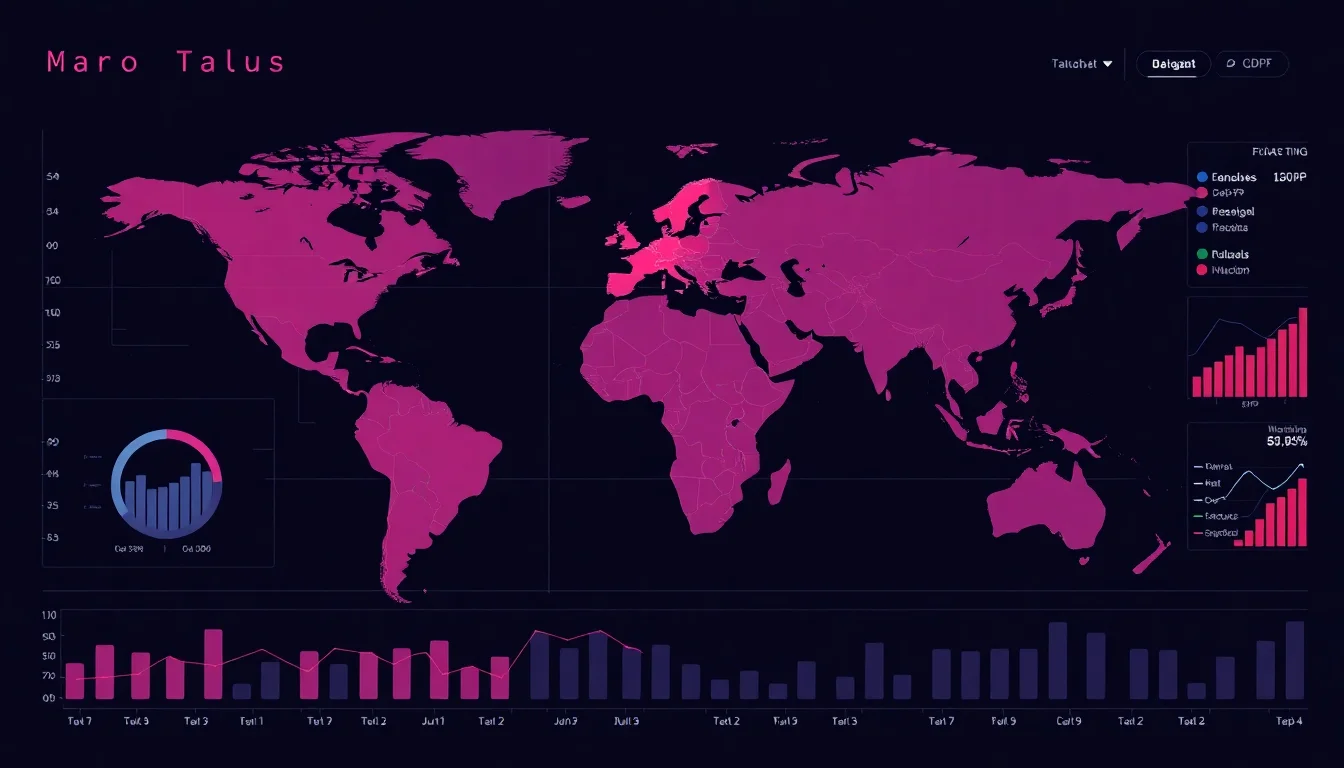
The QuantumAI platform macro scanner persistently tracks central banking announcements, employment statistics, and GDP data across more than thirty nations, including India. By linking these economic indicators to live asset prices, the platform showcases trades with high probability. Many wonder how does QuantumAI platform deliver insights? — this macroeconomic approach underpins our competitive advantage. Our methodology for economic analysis tracks leading, coincident, and lagging indicators, revealing a comprehensive overview of economic vitality and progression. Leading indicators, like purchasing manager indices and consumer confidence reports, provide early insight into economic direction, whereas coincident indicators confirm current conditions, and lagging indicators validate trends afterward.

QuantumAI platform - Sophisticated Macro-Economic Analysis

Artificial Intelligence Driven Pattern Recognition

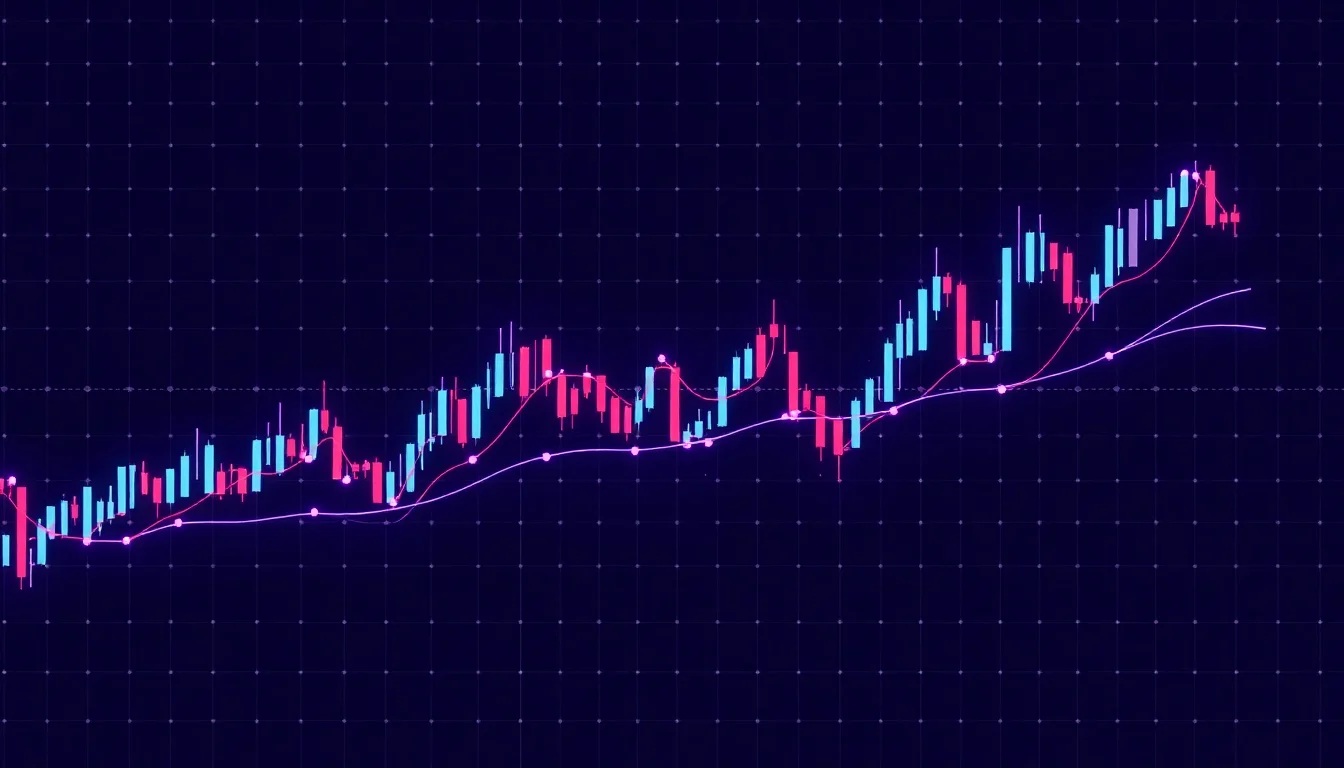
Utilizing advanced deep-learning networks, the QuantumAI platform algorithm detects recurring chart patterns — from double peaks to complex harmonic formations — boasting over ninety-two percent accuracy based on historical data. The QuantumAI platform bot deploys these insights in real-time across diverse asset categories. The evolution of pattern recognition in finance has transcended the manual methods of yesteryears, with state-of-the-art vision technology capable of analyzing multiple instruments simultaneously across various timeframes. Deep learning systems, trained on vast collections of historical chart snapshots, can uncover nuanced variations of classic patterns that a human eye might miss, while also evaluating the statistical credibility of each pattern based on context-related factors like volume confirmation and alignment with significant support and resistance levels.

QuantumAI platform - Artificial Intelligence Driven Pattern Recognition

Uninterrupted Market Engagement

QuantumAI platform never shuts down, just as markets run non-stop. Our framework operates 24/7, constantly surveilling international exchanges and delivering alerts at the moment promising setups arise. Whether accessed through the mobile interface or the desktop version of QuantumAI platform, you receive immediate notifications. Constant market vigilance is indispensable for traders engaged in global spheres across different time zones, from the Asian markets opening in Tokyo to European session trades in London, and even through to North American actions in New York. With cryptocurrencies available around the clock and forex trading active for five and a half days each week, our automated monitoring guarantees that significant opportunities and potential risks are never overlooked, irrespective of local timings or personal agendas.

QuantumAI platform - Uninterrupted Market Engagement
FAQ

QuantumAI platform FAQ — QuantumAI platform Common Inquiries

QuantumAI platform is an AI-fueled QuantumAI platform trading platform engineered to furnish structured market discernment, automated risk oversight, and instantaneous analytics for cryptocurrency, forex, and equity sectors. Our sophisticated QuantumAI platform algorithm scrutinizes millions of data points to provide actionable trading signals to users both in India and globally. Contemporary AI-driven trading frameworks primarily operate by assimilating extensive amounts of structured and unstructured data — which includes historical price sequences, order book snapshots, economic event calendars, and natural language news updates — and processing this data through advanced machine learning models to uncover statistically relevant patterns. Such systems stand apart from basic charting software by continuously adapting to incorporate fresh data, fine-tuning their predictive capabilities over time. The foremost advanced platforms utilize ensemble methodologies that synergize multiple model architectures, such as recurrent neural networks for time series evaluation and transformer models for process language comprehension, in order to yield multi-faceted trading signals.

Absolutely, QuantumAI platform is indeed trustworthy. The platform operates transparently, offering verifiable performance data, compliant brokerage affiliations, and quarterly independent security evaluations. Numerous QuantumAI platform testimonials from actual users affirm the platform's authenticity and reliable performance. When appraising the authenticity of any trading platform, users should identify several key signs: regulated brokerage affiliations with segregated client accounts, verifiable business registration details, transparent fee structures devoid of concealed charges, responsive customer service available through various channels, and a history of consistent operation spanning multiple years. Independent third-party assessments, regulatory database inquiries, and community interactions within prominent financial forums provide further layers of scrutiny, aiding potential users in differentiating between credible platforms and deceitful ventures.

Not at all. QuantumAI platform is not fraudulent. The platform has been thoroughly assessed by independent financial technology experts and maintains a clear operational history. Users questioning QuantumAI platform as a scam or legitimate should examine our published audits, security credentials, and the multitude of favorable QuantumAI platform consumer testimonials circulating online. In the vast financial technology landscape, differentiating legitimate offerings from deceptive ones necessitates due diligence. Respected platforms uphold transparent business registrations, publish accurate audit reports, collaborate with licensed and regulated brokerage firms, and elucidate terms of service outlining risks, fees, and withdrawal processes. Warning signs to consider include promises of guaranteed profits, pressures to hastily deposit funds, unclear company ownership, and challenges with withdrawal processing. Diligently research using official regulatory sources and respected financial review sites before engaging capital in any trading service.

QuantumAI platform represents a legitimate financial ecosystem fueled by credible technology and authorized affiliations in the finance sector. Assertions about QuantumAI platform being a hoax are baseless — our AI framework, real-time trading outcomes, and a thriving community of over fifty thousand traders validate the integrity of the platform. The surge of online investment options has, regrettably, brought along deceptive schemes that tarnish the credibility of the field. Authentic platforms carve out their distinction with operational clarity, showcasing public company addresses, approachable management teams, proven technological frameworks, and adherence to financial laws in their operational territories. A robust user community, routine updates, and stable long-term functionality are additional indicators of authenticity that fraudsters find hard to replicate.

Absolutely. QuantumAI platform employs AES-256 encryption as well as mandatory two-step authentication for each QuantumAI platform login, along with independent security audits conducted every quarter. Our infrastructure is situated in top-tier Tier-4 data centers boasting a remarkable 99.98% uptime. Reviews of the QuantumAI platform platform frequently highlight our security measures as industry-leading. Safety is paramount for any online financial service, given that trading platforms manage sensitive personal data and facilitate fund transfers. Key practices in the industry include comprehensive encryption for all data both in transit and stored, multi-layered authentication to stave off unauthorized access, regular vulnerability assessments by external security experts, and immediate threat detection systems that keep a watchful eye for any unusual activity. Traders should always confirm that the platform they choose implements these security protocols before sharing personal information or funds.

The QuantumAI platform trading framework utilizes exclusive machine learning algorithms to evaluate real-time price shifts, trading volumes, sentiment readings, and economic announcements. How QuantumAI platform functions: the AI detects optimal trading opportunities and delivers clear signals with specific entry, exit, and stop-loss guidelines directly to your dashboard or QuantumAI platform app. In trading, machine learning generally involves training statistical models with historical market data to uncover patterns that hold predictive significance for future price trends. Models using supervised learning are trained on labeled instances of successful and unsuccessful trades, while those employing unsupervised learning seek undisclosed patterns within the data. Approaches driven by reinforcement learning hone trading strategies through testing and refining in simulated market landscapes. The most proficient systems integrate various model types in ensemble frameworks, validate their forecasts through different time intervals and market situations, and continuously refresh their training on new data to stay aligned with changing market behaviors.

QuantumAI platform registration is straightforward: just fill out the form on this page with your name, email, and phone number. The verification process lasts less than two minutes. Once registered, you can explore the QuantumAI platform demo for a risk-free experience or fund your account to embark on live trading. The registration method for most platforms requires identity checks known as Know Your Customer protocols, mandated by financial regulators to combat money laundering, fraud, and other financial misdeeds. Typical verification entails submitting government-issued ID and proof of residence. While this may feel laborious, it serves as a crucial shield that safeguards both the platform and its users, signaling that the platform adheres to recognized regulatory standards.

To initiate live trading on QuantumAI platform, the minimum deposit required is a QuantumAI platform $250 deposit. This sum unlocks complete access to all features, AI signals, and risk management resources. You’re welcome to familiarize yourself with the QuantumAI platform demo prior to committing any actual funds. Financial experts typically advise starting with an amount that one can afford to lose entirely, as every trading venture carries its own set of risks. Beginning with a smaller sum allows novice traders to acquire hands-on experience, refine their strategies under real-market conditions, and cultivate the emotional discipline critical for sustained trading success, all without exposing substantial capital to risk. As traders build confidence and develop skills, they can incrementally scale their investment size in proportion to their evolving experience and proven performance.

Numerous traders share positive experiences while utilizing the QuantumAI platform trading platform. Nevertheless, trading entails inherent risks, and historical performance is not necessarily indicative of future success. Our platform equips users to earn money with QuantumAI platform through AI-enhanced signals and comprehensive risk management, underscoring the necessity of responsible trading and realistic expectations. Achieving success in trading hinges on a mix of effective strategy, disciplined risk protocols, continuous learning, and emotional fortitude. No trading program, no matter how sophisticated, can entirely eliminate market risk. Professional traders typically prioritize sustaining balanced returns over time rather than pursuing fleeting, extraordinary profits. Keeping a detailed trading diary, routinely assessing performance data, and adjusting tactics based on tangible outcomes rather than feelings are fundamental habits that distinguish consistently successful traders from those who encounter erratic results.

Download QuantumAI platform app from the iOS App Store or Google Play Store. Simply search for QuantumAI platform, press install, and log in with your current credentials. The QuantumAI platform trading app replicates the full desktop experience, featuring AI signals, portfolio oversight, and streamlined trade execution. The QuantumAI platform app India is optimized for local market conditions. Mobile trading applications are now essential instruments for contemporary traders, offering the flexibility to track positions, receive alerts, and execute trades from virtually anywhere with internet access. When selecting a mobile trading app, users should seek attributes like real-time price feeds with minimal delays, secure biometric authentication methods like fingerprints or facial recognition, notifications for price alerts and signal changes, user-friendly charting tools designed for touch interfaces, and seamless synchronization with the desktop version so that settings, watchlists, and open trades remain consistent across all devices.

QuantumAI platform operates through authorized brokerage partnerships, adhering to all relevant financial regulations. QuantumAI platform India users enjoy unrestricted access to the complete platform. It’s advisable to consult your local regulatory landscape for any specific stipulations pertaining to online trading in your area. The legal framework governing online trading diverges widely among various nations and regions, with regulatory bodies—including the Securities and Exchange Commission in the United States, the Financial Conduct Authority in the United Kingdom, and provincial securities regulators—each shaping their own guidelines for overseeing online trading procedures. Traders bear the responsibility to grasp and comply with regulations pertinent to their geographical area, which may encompass requirements related to tax obligations on trading gains, restrictions on particular financial instruments, and anti-money laundering compliance mandates.

QuantumAI platform reviews from users paint a predominantly favorable picture. Traders commend the accuracy of AI signals, user-friendly interface, and prompt customer service. Discussions about QuantumAI platform review reddit and independent QuantumAI platform platform reviews spotlight the demo account, ability to trade multiple assets, and clarity in performance metrics as key features. When assessing reviews of any trading platform, it’s essential to consider the credibility and context of each one. Look for in-depth, specific insights that recount actual trading experiences rather than vague or overly general commendations. Reviews that mention particular features, outline realistic outcomes including both successes and challenges, and offer balanced evaluations tend to hold more credibility than those that seem excessively promotional or uniformly negative. Cross-referencing reviews from multiple independent sources can help create a more thorough understanding of a platform’s strengths and weaknesses.

Like any trading platform, QuantumAI platform encounters occasional feedback. We take every QuantumAI platform complaint with the utmost seriousness, and our support team strives to resolve issues within twenty-four hours. The overwhelming majority of QuantumAI platform consumer reviews are positive, and any QuantumAI platform warning circulating online often originates from competitors or individuals who may have not adhered to effective risk management strategies. In the trading arena, it’s typical for users who experience losses due to poor risk management or unrealistic expectations to attribute their outcomes to the platform rather than their own decisions. Responsible platforms address complaints with transparency, furnish educational resources to assist users in refining their trading approach, and maintain open channels of communication for resolving disputes. A platform's readiness to acknowledge and constructively handle negative feedback often serves as a more reliable gauge of quality than an absence of complaints, which is unrealistic for any service that operates at scale.

Nirmala Sitharaman QuantumAI platform endorsement rumors circulate online; however, QuantumAI platform doesn’t depend on celebrity endorsements for its reputation. Our standing rests on credible technology, transparent performance data, and legitimate QuantumAI platform experiences shared by actual users. Always confirm information through the QuantumAI platform official website. False claims of celebrity endorsements are rampant within the fintech space, where unscrupulous actors employ misleading advertisements and social media posts to capture attention and credibility by linking products to recognizable public figures. These fabricated endorsements frequently circulate through unauthorized social media profiles, clickbait articles, and deceptive ad networks. Traders should always approach celebrity endorsement claims with skepticism and verify any such assertions directly through official sources and verified public channels before making well-informed financial choices.

No. QuantumAI platform trading is conducted through regulated brokerages that maintain separate client funds. The QuantumAI platform trading framework has undergone independent verification and assessment. Users questioning is QuantumAI platform trading legit should review our published audit results, accredited partnerships, and the consistent positive feedback in QuantumAI platform trading system reviews from our engaged community. Segregation of client accounts is a key protective measure in the financial services sector, ensuring that personal funds are kept apart from the operational resources of the brokerage or platform. This separation means that, even during financial difficulties faced by the company, customer funds remain safeguarded and accessible. Regulated brokerages usually must adhere to the practice of maintaining separate accounts and submit to routine audits by their licensing authority, offering an additional level of oversight that secures traders’ capital and reinforces the reliability of the trading environment.

QuantumAI platform forum conversations within major trading circles showcase a strong agreement: the platform offers dependable AI signals, superb customer service, and a straightforward user experience. QuantumAI platform opinions on independent review websites align with the favorable responses captured on QuantumAI platform reddit. We encourage potential users to investigate QuantumAI platform experiences across various avenues. Online trading forums serve as valuable platforms for prospective traders to collect diverse viewpoints and firsthand experiences before committing to any platform. These communities typically engage in discussions about platform functionalities, execution quality, customer support responsiveness, withdrawal times, and available educational tools. When assessing opinions in forums, consider the user's account history, the specificity of their commentary, and whether their feedback is corroborated by multiple independent contributors. Well-established forums that have active moderation usually offer more reliable insights than unregulated comment sections or social media threads.

Indeed, the QuantumAI platform bot serves as an automated trading ally, executing signals emanating from the AI engine. Feedback on the QuantumAI platform bot review indicates that the bot excels when set with suitable risk parameters. Users retain full authority and can pause or modify the bot at any moment via the QuantumAI platform platform dashboard. These automated trading bots function by adhering to predefined criteria, devoid of the emotional biases that can sway human traders, like fear or greed. They possess the capability to monitor various markets concurrently, respond to signals in milliseconds, and maintain discipline in adhering to risk management guidelines regardless of market fluctuations. However, these automated systems demand proper configuration and vigilant oversight from the user. Appropriately determining position sizes, stop-loss thresholds, and maximum daily loss limitations guarantees that the bot operates within frameworks that resonate with the trader's risk susceptibility and financial aspirations.

QuantumAI platform investment resources are crafted to facilitate informed decision-making without guaranteeing success. Analysis of QuantumAI platform investments review data highlights that users adhering to advised risk management strategies tend to achieve more reliable outcomes. All trading carries inherent risks, and we advise users to engage only with capital they can afford to lose. The cornerstone of prudent investing is to never jeopardize more than you can bear to lose, regardless of the sophistication of your tools. Even the most advanced analytical platforms cannot predict market shifts with absolute precision, and unforeseen events such as geopolitical turbulence or sudden regulatory modifications can lead to rapid market upheavals. Ultimately successful traders cultivate diversified portfolios, maintain sufficient liquidity, establish stringent loss limits for individual positions, and embrace trading as a measurement of endurance rather than a sprint.

QuantumAI platform genuine reddit conversations reveal a blend of sentiments, which is typical for any open discussion space. Users verified by the platform share high praise, yet some doubts arise from individuals who haven't engaged with the platform directly. The QuantumAI platform scam reddit assertions often get dismantled by community voices recounting their authentic QuantumAI platform trading experiences. Discussions on social media and forums about investment solutions naturally showcase a range of viewpoints, from enthusiastic testimonials to critical feedback. Keep in mind that anonymous forums can be subject to biases from competitors, affiliate promoters, and those driven by personal interests. Insightful input usually comes from veteran community members who provide thorough, fair narratives of their journeys. Seek specific insights regarding execution abilities, withdrawal timeframes, and customer service effectiveness rather than ambiguous assertions that lack solid evidence.

No, it is not. QuantumAI platform functions under stringent regulatory standards and emphasizes clarity in its business operations. Any rumors regarding QuantumAI platform fraud are unfounded and generally stem from rival smear tactics. Our platform adheres to the highest benchmarks of financial ethics, with users able to confirm our legitimacy through recognized regulatory records. Compliance with regulations forms the bedrock of reliable financial operations, which includes following anti-money laundering protocols, Know Your Customer obligations, data privacy laws, and ethical business practices. Entities that stick to these regulations are subject to regular evaluations and inspections by their licensing authorities, ensuring an outside verification of their operating credibility. Traders can independently check a platform's regulatory standing by referring to public registers held by financial oversight bodies, detailing all licensed organizations along with their registration numbers, permitted activities, and any disciplinary measures that have been enacted against them.

Insights from Traders — QuantumAI platform Insights

Nirmala Sitharaman

Nirmala Sitharaman

"The QuantumAI platform platform revolutionized my trading strategy. The AI-driven insights are astonishingly precise, and the risk management features instill confidence in my trades. After diving into QuantumAI platform reviews online, I decided to take the plunge — it was the best choice I could have made."

★★★★★
Mateo Vargas

Mateo Vargas

"I had my doubts at the outset — I conducted a search for QuantumAI platform fraud or legitimacy prior to joining. Now, after six months, my QuantumAI platform trading experiences have been overwhelmingly affirmative. The interface is straightforward and the support crew is always quick to reply."

★★★★★
Yara El-Sayed

Yara El-Sayed

"As someone new to this game, the QuantumAI platform demo feature was a game changer. I got to familiarize myself with the platform thoroughly before committing actual funds. The QuantumAI platform app allows me to oversee trades seamlessly while on the move. I'd recommend it to anyone embarking on their QuantumAI platform investment adventure."

★★★★
Hans Müller

Hans Müller

"The sentiment analysis capabilities on QuantumAI platform provide me with an advantage I previously lacked. I’m able to observe shifts in market sentiment live. QuantumAI platform is it trustworthy? Unquestionably — I've monitored each signal for three months, and the accuracy has been outstanding."

★★★★★
Chinedu Okafor

Chinedu Okafor

"The multi-asset feature of the QuantumAI platform trading system is exemplary. I oversee crypto, forex, and stocks all from a single interface. Colleagues often inquire does QuantumAI platform function — I encourage them to test out the demo for themselves."

★★★★
Sofia Petrovna

Sofia Petrovna

"Lightning-fast execution and dependable uptime make QuantumAI platform the finest platform I have encountered. I was initially skeptical of claims regarding QuantumAI platform deception online, but the genuine QuantumAI platform experiences tell their own story. The economic trend tracker is exceptional."

★★★★★

Essential Tools Driven by QuantumAI platform

MACD Indicator

The MACD tool on the QuantumAI platform platform benefits from AI-enhanced smoothing that reduces error signals by as much as forty percent compared to traditional models. The MACD works by determining the divergence between two exponential moving averages over various periods, commonly twelve and twenty-six, and illustrating that difference through a histogram in conjunction with a signal line. Disparities between the MACD indicator and price movements often serve as potent predictors, as they signify waning momentum that frequently precedes market reversals.

Fibonacci Levels

QuantumAI platform seamlessly charts Fibonacci levels on any financial graph, melding them with volume profile insights to illuminate the most critical support and resistance areas statistically. Fibonacci retracement finds its roots in the numerical sequence unearthed by Leonardo of Pisa, with each entry representing the sum of the previous two, yielding significant ratios like 0.236, 0.382, 0.500, and 0.618 that frequently manifest in both natural phenomena and economic environments. Within trading contexts, these ratios serve to pinpoint price adjustments at moments where buying or selling forces might gather momentum during corrections within broader trends.

Stochastic Trend Indicator

Our advanced Stochastic Trend Indicator features enhanced divergence spotting across multiple time frames, notifying you when momentum contradicts overarching trends — a potent indicator of possible reversals available via QuantumAI platform software. Analyzing oscillator divergences is among the most dependable techniques for revealing prospective trend reversals, especially when prices achieve new highs or lows that lack confirmation from oscillator data. Regular bearish divergence occurs when prices rise to higher peaks, yet the oscillator reveals lower peaks, indicating weakening upward momentum. Conversely, hidden bullish divergence appears when prices establish higher lows coupled with lower oscillator lows, often indicating a continuation of the trend.

Broadening Your QuantumAI platform Trading Opportunities

Day Trading Versus Swing Trading

Whether you lean towards rapid intraday trades or prefer multi-day strategies, the QuantumAI platform system offers bespoke signals suited to your methods. Examine QuantumAI platform trading experiences shared by other users to uncover the approach that aligns with your risk profile and lifestyle. Day trading involves executing all transactions within a single trading period, mitigating overnight risks but demanding intense attention and swift decision-making. In contrast, swing trading retains positions for days or even weeks, capturing broader price movements while requiring less screen time but exposing trades to overnight fluctuations and weekend market events.

Cryptocurrency Versus Forex

Explore both market landscapes on a unified QuantumAI platform platform. Our diverse cross-asset correlation tools enable you to spread your exposure across digital and traditional currencies. The QuantumAI platform app facilitates market analysis from anywhere within India. Cryptocurrency markets function without pauses, providing heightened volatility and opportunities for substantial price movements, while forex offers deeper liquidity with tighter spreads and more foreseen trends influenced by macroeconomic drivers. Comprehending the distinctive traits of each arena — from regulatory nuances to liquidity attributes and key pricing influences — empowers traders to construct tailored strategies that leverage the varied possibilities presented by each market.

Optimal Liquidity, Immediate Execution

Our co-located server networks and strategic exchange collaborations guarantee that your QuantumAI platform transaction is executed at the most favorable rate with minimal slippage, even amidst significant market volatility. That’s why QuantumAI platform is recognized as a trustworthy ally by elite traders around the world. Liquidity serves as a cornerstone in market dynamics, denoting how easily an asset can be traded without greatly disturbing its price. Highly liquid marketplaces, like main forex pairs and major equities, feature narrow bid-ask spreads and rich order books, while more niche markets, including small-cap equities and emerging digital tokens, may display broader spreads and increased price shifts linked to individual trades.

QuantumAI platform - Broadening Your QuantumAI platform Trading Opportunities
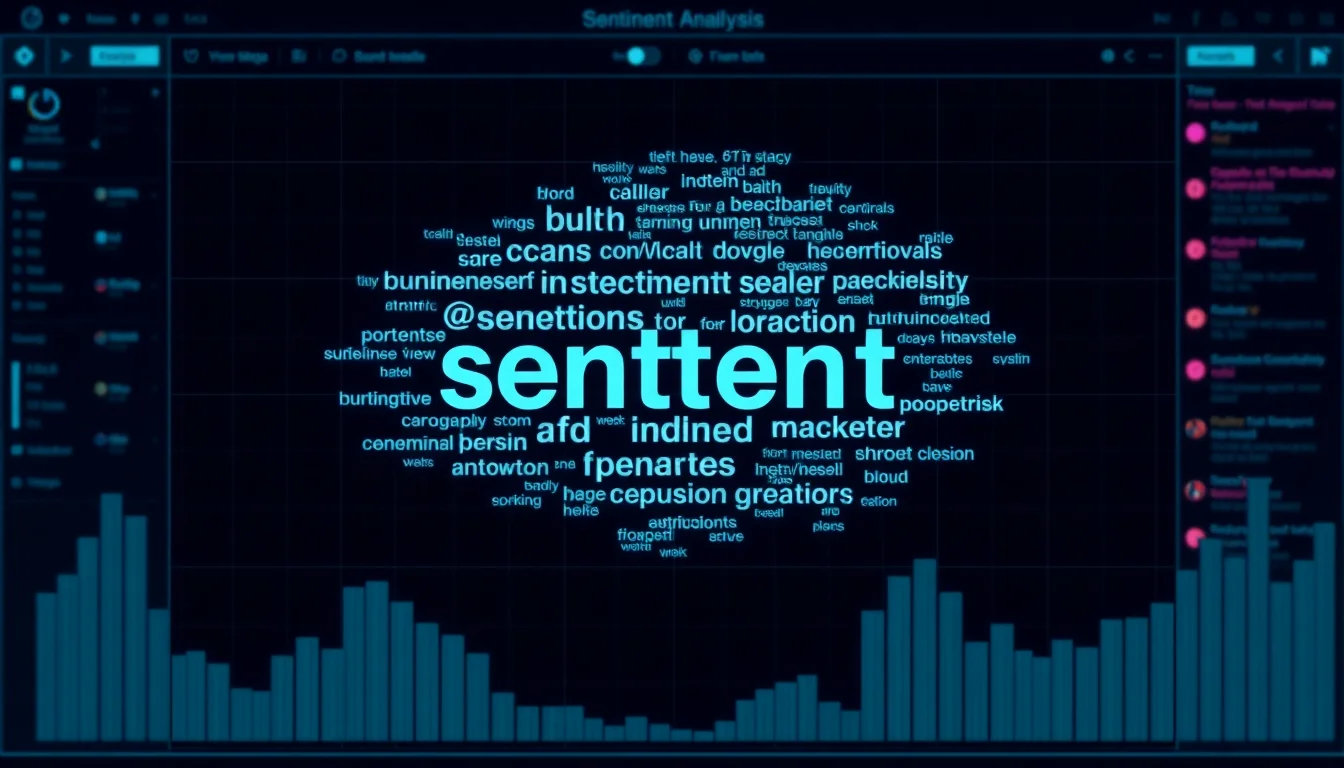
QuantumAI platform - Market Sentiment Analysis by QuantumAI platform

Market Sentiment Analysis by QuantumAI platform

Unravel collective behavior to foresee market shifts

The QuantumAI platform sentiment module combs through data harvested from social networks, financial news outlets, and on-chain analytics to formulate a composite sentiment index for each asset we support. When positive sentiment exceeds historical norms, the platform signals potential overbought scenarios; during fearful conditions, it identifies unique buying chances. Conversations on the QuantumAI platform forum and threads on QuantumAI platform reddit regularly showcase the sentiment analysis tool as a top-tier feature of our platform. By quantifying the emotions typically responsible for irrational actions, QuantumAI platform AI converts instinctual feelings into quantifiable, actionable trading signals. State-of-the-art natural language processing techniques underpin contemporary financial sentiment assessments, utilizing transformer architectures that adeptly grasp context, satire, and specialized jargon with impressive precision. These models undergo training on vast troves of financial literature, including analyst insights, earnings call transcripts, regulatory submissions, and social media commentary, enabling them to differentiate between genuine bullish statements and those that are sarcastic or misleading. Named entity recognition discerns specific assets, firms, or sectors discussed, while aspect-based sentiment examination assesses whether opinions pertain to price expectations, fundamental quality, management effectiveness, or broader economic circumstances. The evolution of these language models enables identification of nuanced tonal fluctuations in successive statements, pinpointing moments when previously optimistic analysts start to hedge their language or when retail excitement for a certain asset inches toward euphoric peaks. Social media serves as a significant leading indicator for market behaviors, especially within cryptocurrency and retail-driven stock sectors. Studies reveal that spikes in social media chatter and fluctuations in general sentiment polarity often precede substantial price movements by hours or even days. Platforms such as Twitter, Reddit, and specialized financial forums continuously generate fresh opinion analytics that, when properly sifted and scrutinized, can yield early indicators of emerging trends, potential catalysts, or brewing panic. The challenge remains to sift meaningful insights from the clutter, bot-generated material, and orchestrated manipulation efforts, necessitating sophisticated filtering methodologies and anomaly detection systems. The field of behavioral finance underpins the rationale for the efficacy of sentiment analysis as a trading mechanism, drawing on extensive research into cognitive biases and emotional responses that fundamentally shape investor behavior. Prospect theory, posited by Daniel Kahneman and Amos Tversky, illustrates that individuals perceive losses more intensely than equivalent gains, leading to disproportionate market reactions to both positive and negative news. Herding encourages investors to mimic collective sentiment instead of carrying out independent analyses, magnifying trends beyond what foundational factors would support. The disposition effect causes traders to prematurely divest from profitable positions while clinging too long to losing trades. By statistically measuring these behavioral tendencies using sentiment data, trading systems can predict when collective psychology is likely to drive prices to extremes that are bound to revert. One critical obstacle in measuring sentiment is effectively filtering out noise — distinguishing significant signals from the overwhelming volume of irrelevant, deceptive, or redundant information that populates social media and news landscapes. Advanced denoising strategies include source credibility scoring, which assigns greater importance to historically trustworthy commentators and validated accounts; temporal decay weighting, emphasizing recent sentiment; and anomaly detection algorithms that seek out and eliminate coordinated bot activity or spam-induced sentiment manipulation attempts. Correlating sentiment metrics with quantitative market indicators like options flow, volume profiles, and order book discrepancies provides an extra validation layer, ensuring sentiment-based recommendations are backed by observable market dynamics before being acted upon.

QuantumAI platform - The Collaboration of AI and Expert Analysts at QuantumAI platform

The Collaboration of AI and Expert Analysts at QuantumAI platform

At QuantumAI platform, we hold that effective trading is a balance between the rapid pattern detection of AI and the nuanced understanding of skilled human analysts. Who is behind QuantumAI platform? Our collective features ex-institutional traders, quantitative analysts, and macroeconomic experts. The QuantumAI platform AI produces data-informed signals that are fine-tuned continuously by our adept team. The QuantumAI platform trading CEO and leadership team guarantee that our technological advancements amplify human insight, delivering intelligence that neither entity could create singularly. Despite the impressive strides made in automated trading technologies over the last twenty years, fully autonomous systems encounter notable challenges, highlighting the ongoing relevance of human intuition in financial markets. Algorithms thrive on processing organized data, discerning statistical patterns, and executing specific rules with impeccable consistency; however, they struggle to adapt to unprecedented events outside their training parameters — so-called black swan events such as geopolitical upheavals, market disruptions due to pandemics, or abrupt regulatory shifts that can instantly alter entire sectors. Under such circumstances, seasoned human analysts can leverage contextual experience, historical references, and qualitative analysis to navigate rapidly changing environments and adjust tactics accordingly, adding a vital layer of flexibility that pure automation fails to replicate. Human oversight remains crucial in finance for reasons that extend beyond simply technology’s limitations. Ethical obligations, regulatory compliance, and fiduciary accountability necessitate human governance over trading choices, particularly when handling substantial capital or making decisions that impact other market players. A human risk oversight manager can exercise discretion under extraordinary circumstances, selecting to override automated systems when they spot irregular behaviors or when market dynamics imply that the model's assumptions may be invalid. This kind of judgment-based intervention has prevented numerous potential incidents in the history of algorithmic trading, particularly in scenarios where automated circuits risk amplifying market volatility into self-perpetuating crashes. The hybrid approach, merging human expertise with machine intelligence, has shown elevating performance through countless documented examples in the finance sector. Quantitative hedge fund firms like Two Sigma and Bridgewater Associates have traditionally employed teams of analysts who devise, oversee, and enhance algorithmic tactics, balancing the rapid scalability of automation with the imaginative and adaptable capabilities of human intellect. Within portfolio construction, human analysts provide strategic direction and thematic insights while algorithms oversee execution and risk management. In research, human intuition shapes hypotheses based on domain expertise while machines conduct thorough backtesting and statistical examinations. This cooperative model harnesses the strengths of both human intellect and artificial systems, yielding results that consistently surpass what either could achieve independently. The destiny of financial decision-making aligns with augmented intelligence — systems structured to amplify human potential rather than replace their roles entirely. This vision transcends basic automation to cultivate interactive spaces where traders can question AI models, understand their logic, modify parameters, and infuse qualitative insights that machines cannot access. Natural language interfaces enable traders to inquire about portfolio risks in everyday language and receive pertinent insights. Visualization tools transform intricate multi-dimensional data into user-friendly graphical formats that leverage human pattern detection abilities. The aim is a seamless collaboration where technology handles the computationally intensive parts of market analysis while humans provide the strategic vision, ethical judgment, and inventive problem-solving that characterize truly outstanding investment management.

One System, Infinite Horizons — QuantumAI platform Solution

The QuantumAI platform solution converges all facets of contemporary trading into an intuitive single platform. Gain access to real-time price data, QuantumAI platform AI-crafted signals, portfolio insights, and automated risk measures — all without toggling between various applications. From day trading endeavors to long-term QuantumAI platform strategies, our platform equips you with the essential framework to implement your strategy with precision. Traders in India can tap into specialized market data, while the QuantumAI platform application India empowers the same capabilities on mobile. This is how QuantumAI platform operates — advanced technology encapsulated in a user-friendly design. The synthesis of charting tools, order management, risk assessment, news updates, and performance tracking into a singular workspace alleviates the mental strain of switching between multiple platforms, each requiring its own login and data format. Studies in human-computer interaction consistently demonstrate that context switching incurs a considerable cognitive cost, diminishing decision quality and prolonging response times. By amalgamating all crucial trading functionalities into one coherent environment, traders can keep their focus on market evaluation instead of grappling with disjointed tools, leading to swifter and assured execution when chances arise. A cohesive system also guarantees that all elements share the same up-to-the-minute data feed, negating the synchronization delays and data inconsistencies that often plague traders relying on separated charting, execution, and tracking applications. This structural edge is particularly advantageous amidst fast-moving market events like central bank announcements, earnings declarations, or geopolitical incidents, where even a handful of seconds between receiving a signal and placing an order can dictate the difference between seizing a favorable entry or missing the opportunity. Cross-asset correlation analytics becomes far more potent when undertaken within an integrated framework that can simultaneously handle price data, volatility readings, and order flow across stocks, currencies, commodities, and digital assets. Traders can create customized correlation matrices, keep tabs on rolling correlation coefficients in real-time, and obtain alerts when historically aligned instruments begin to diverge — a scenario that frequently heralds an upcoming reversion or a shift in market dynamics. This multi-dimensional perspective on inter-market relationships allows for the formulation of more complex hedging strategies and portfolio construction methods than could be achieved with standalone utilities. Continuous portfolio oversight offers up-to-the-minute insights into overall exposure, unrealized gains and losses, margin usage, and risk indicators such as value-at-risk and maximum drawdown. Rather than waiting for end-of-day reports or manually assessing portfolio metrics, traders receive immediate notifications as positions fluctuate, enabling timely adjustments to uphold their desired risk profile. Automated notifications can be set to activate upon crossing specific thresholds, such as an overall portfolio loss surpassing a set percentage or a single position exceeding its intended allocation, ensuring that risk management remains proactive.

QuantumAI platform - One System, Infinite Horizons — QuantumAI platform Solution

How Functionality Works with QuantumAI platform?

Embark on your journey in three easy steps — QuantumAI platform enroll today

1

QuantumAI platform Sign-Up

Fill out the swift QuantumAI platform registration form with your name, email, and phone details. Visit the QuantumAI platform official site for an account verification that takes less than two minutes. The Know Your Customer process is a regulatory measure designed to thwart identity theft, money laundering, and financial misconduct. Although it introduces a brief additional step in the enrollment phase, it is essential for safeguarding both the platform and its users by confirming that only authenticated individuals can access trading services and financial operations.

2

Establish Your Approach

Define your risk tolerance, choose your asset preferences, and opt for AI-suggested strategies on the QuantumAI platform interface. Begin with the QuantumAI platform practice mode or make a QuantumAI platform $250 investment to initiate actual trading. Best practices for strategy setup involve clarifying your maximum allowable loss per transaction, setting your desired risk-reward ratio, limiting the number of simultaneous positions, and selecting the asset classes that suit your expertise and experience level. Dedicating time to carefully delineate these parameters before your first trade lays the groundwork that seasoned traders deem vital for sustained success.

3

Commence QuantumAI platform Trading

Start receiving real-time AI-driven signals from the QuantumAI platform trading interface, execute trades effortlessly with a click, and keep track of your portfolio through the dashboard or QuantumAI platform application. Generate profit with QuantumAI platform by adhering to data-supported signals. The trading methodology centered on signals involves receiving tailored trade recommendations detailing entry price, target price, and stop-loss thresholds, enabling traders to assess the risk-reward profile before allocating capital. The most successful signal-based approach synergizes the analytical prowess of the signal generator with the trader's own insights regarding market context, position sizing, and timing.

Grasping the Nuances of Risk Management in Contemporary Trading

Fundamental strategies for safeguarding your investments

Among traders and financial strategists, risk management stands tall as the paramount factor in achieving enduring trading accomplishments. While novice traders may chase after lucrative entry points, seasoned professionals recognize that even the most refined approach will crumble without a solid risk mitigation blueprint. The core aim of risk management is to guarantee that no single trade, repeated losses, or unforeseen market upheavals can inflict damage substantial enough to threaten the trader's continued engagement with the markets. Shielding capital forms the bedrock of every successful trading endeavor, because a trader stripped of their capital forfeits their ability to seize future prospects.

Determining position size stands as a pivotal element of any risk management strategy, guiding how much capital one should commit to each trade. The most prevalent method is the fixed percentage risk model, where traders stake a pre-established fraction of their total account balance on each engagement — usually ranging from one to three percent for those who exercise caution. Thus, if a trader operates with a ten thousand dollar account risking two percent per trade, their exposure on any individual position would not exceed two hundred dollars. Subsequently, position size is derived by dividing this dollar risk by the gap between the entry price and the stop-loss threshold. This tactic guarantees that position sizes automatically recalibrate after downturns and surge after gains, facilitating seamless capital preservation during downturns and capital expansion during winning periods.

Managing stop-losses is an indispensable skill defining the highest acceptable loss before closing a trade. Several methods exist for setting those stop-losses, such as fixed-distance stops pegged to a set number of points or percentages, volatility-adjusted stops that respond to real-time market fluctuations through tools like the Average True Range, and structural stops positioned past key technical milestones like recent peaks or troughs. Trailing stops that move favorably with profits as the trade advances can help secure gains while allowing successful positions space to flourish. The principal tenet is that every trade must have a pre-defined exit plan for losses established prior to entry, thus eradicating the dangerous habit of clinging to losing positions in the hope of a turnaround.

Hedging at the portfolio level entails establishing counterbalancing positions across interrelated assets to diminish overall susceptibility to particular risks. For instance, if a trader is bullish on stocks, they might mitigate the risk of a market downturn by holding put options on a major index or investing in assets that thrive amidst equity declines, such as government bonds or gold. Cross-asset hedging may also include pairs trading, where a long position in one asset is offset by a short position in a related one, isolating relative performance while neutralizing exposure to broader market fluctuations. Effective hedging necessitates an understanding of how asset correlations behave and how these relationships may transform during turbulent market periods.

Risk-reward assessment is the process of measuring a trade's potential upside against its potential downside prior to entering a position. Professional traders commonly seek a minimum risk-reward ratio of at least one to two, indicating that the expected profit should be at least double the distance of the stop loss. This strategy ensures that even if the win rate dips below fifty percent, profitability can still be achieved over time, as winning trades contribute more to the account balance than losing trades do. Before executing a trade, traders must clearly outline their entry point, stop-loss boundary, and profit aspiration, then verify that the resulting risk-reward ratio aligns with their established minimum standard.

The psychological components of risk management are frequently undervalued yet are crucial in ensuring a trader successfully adheres to their risk protocols amid the pressures of real market dynamics. The urge to be part of the action can prompt traders to enter trades without proper analysis or to take on excessive positions, while the discomfort from realized losses can lead to detrimental behaviors like extending stop losses or abandoning them altogether. Engaging in revenge trading post-loss, where a trader hastily seeks recovery through reckless positions, is one of the most perilous patterns that can arise. Cultivating emotional fortitude demands practice, self-awareness, and often the backing of a structured trading blueprint that minimizes real-time emotional decision-making. Keeping a thorough trading journal to capture not just the technical context of each trade but also the emotional backdrop and rationale tied to each choice is one of the most potent methods to foster the psychological resilience imperative for enduring trading performance.

Position Sizing Constraints

Establish your position size based on a fixed fraction of your total account capital — usually one to three percent for each trade. Determine the number of units by dividing your dollar risk by the gap between entry and stop-loss. This maintains proportionality in your risk relative to your account size, automatically dialing back exposure during downturns and ramping up during prosperous times. Size your positions not by your desired earnings, but by the amount you can comfortably afford to lose.

Stop-Loss Methodologies

Select your stop-loss strategy according to your trading style and the characteristics of the assets you handle. Volatility-adjusted stops calculated via the Average True Range indicator respond to current market conditions, expanding during tumultuous times and constricting in stable periods. Technical stops, set beyond essential support or resistance levels, respect the market's architecture. Time-sensitive stops prompt exits for positions that fail to reach targets within a specified duration. Regardless of the method chosen, always place your stop-loss before entering the trade, and never extend it further away from your entry point.

Diversification in Portfolio

Broaden your exposure across various dimensions: different asset types such as stocks, forex, commodities, and digital currencies; regions including North America, Europe, and Asia; durations ranging from intraday to multi-week; and strategic styles encompassing trend-following, mean-reversion, and event-driven tactics. Assessments of correlations should guide your diversification choices, as holding numerous positions in closely related assets offers limited diversification benefits. Regular assessment and adjustment of your portfolio allocations are necessary to ensure your risk profile stays on target as market conditions shift.

Analyzing Risk vs. Reward

Before committing to any trade, evaluate the risk-reward ratio by contrasting the distance to your profit target with that to your stop loss. Aim for a minimum ratio of one to two, signifying that for every dollar you place at risk, you anticipate earning at least two dollars if the trade succeeds. This calculated approach secures long-term profitability, even when your win rate is lower than fifty percent. Resist the allure of pursuing trades with unfavorable risk-reward ratios merely due to attractive setups or a sense of urgency to engage in the market.

Maintaining Emotional Control

Craft a comprehensive trading plan detailing your entry standards, exit protocols, position sizing strategy, and maximum loss limits ahead of each trading session. Adhering to a prearranged plan reduces the need for on-the-fly emotional choices in stressful moments. Set aside a mandatory cooling-off phase after a series of consecutive losses, allowing time away from the screen to regain perspective. Keep a trading journal that logs your emotional state alongside trade specifics, aiding you in identifying trends between your psychological condition and trading results over time.

Recovery from Drawdowns

Experiencing drawdowns is part and parcel of the trading landscape, and effectively managing them is vital for sustaining longevity and achieving success. Reduce your position sizes during these periods to decelerate capital depletion and retain your capacity to recover. Bear in mind that rebounding from a drawdown necessitates a proportionately larger gain — a fifty percent dip demands a hundred percent rebound to regain breakeven. Set an acceptable drawdown limit, usually between fifteen to twenty-five percent of your total account, beyond which pause live trading to reassess your strategy, undertake additional backtesting, and confirm that your approach continues to operate within expected statistical boundaries.

Trading Education Hub: Crucial Insights for Traders

Lay a solid groundwork in the financial markets

Financial education forms the bedrock of lasting trading success, equipping traders with both theoretical insights and practical abilities essential for maneuvering through complex and ever-changing markets. While modern innovation has facilitated unparalleled access to financial arenas for trade execution, this ease can paradoxically lead to pitfalls for those initiating trading without proper groundwork. Research persistently indicates that traders who devote time to education — delving into market mechanics, analytical methods, risk management, and trading psychology — consistently achieve superior results compared to those who charge in based purely on advice, signals, or instinct. A methodical approach to learning crafts the analytical framework that empowers traders to independently assess opportunities, adapt to fluctuating market conditions, and uphold discipline amid adversity.

The educational journey for novice traders should commence with core concepts, encompassing the workings of financial markets, the various categories of financial instruments available for trade, and the basics of technical analysis, such as identifying support, resistance, and trends, alongside foundational risk management practices. Progressing from there, intermediate topics will introduce advanced charting tactics, analysis across multiple time frames, an overview of fundamental analysis and macroeconomic indicators, and the formulation of a personalized trading plan. This structured learning pathway ensures each new idea builds upon an established foundation, averting the frequent mistake of jumping into advanced strategies without a grasp of the underlying principles that support them.

Seasoned traders gain from ongoing education that keeps them abreast of shifting market dynamics, innovative analytical tools, and new asset classes on the rise. Advanced topics might cover quantitative analysis techniques, options strategies for hedging and income generation, inter-market dynamics that scrutinize relations between various asset classes, and techniques for portfolio construction grounded in modern portfolio theory. The rapid evolution of financial environments — spurred by technological advancements, regulatory reforms, and changing global economic conditions — necessitates that even veteran professionals consistently upgrade their knowledge to retain their competitive edge. The most accomplished traders foster a mindset of continuous learning, viewing every market encounter as a chance to enhance their insight.

Various educational formats cater to distinct needs and learning preferences. Structured online courses deliver systematic, sequential education that builds a body of knowledge incrementally. Live webinars provide opportunities to learn in real-time from seasoned professionals and pose questions. Video tutorials showcase practical skills such as analyzing charts, placing orders, and navigating platforms. Written guides and articles serve as reference materials that can be revisited at will. Interactive simulations and demo accounts permit learners to implement theoretical concepts in a risk-free practical setting. The most successful educational strategies weave together several formats to reinforce learning through repetition and multifaceted presentation.

Beyond technical expertise, financial literacy encompasses a broader grasp of personal finance, including budgeting, the interplay of risk and return, the significance of diversification, the time value of capital, and the implications of fees and taxes on investment returns. This comprehensive viewpoint equips traders to make more informed choices regarding how trading aligns with their financial aspirations, determining the amount of capital to invest in trading activities, and setting realistic return expectations. A trader equipped with a comprehensive financial overview is better positioned to make rational choices regarding position sizes, leverage usage, and risk tolerance compared to one who views trading in isolation from their entire financial landscape.

Bull Market
A bull market signifies a phase during which asset values are rising or anticipated to rise, usually marked by sustained increases of twenty percent or greater from prior lows. Bull markets typically emerge from solid economic growth, heightened investor confidence, and rising corporate earnings, and they may persist for months or even years.
Bear Market
A bear market signifies a phase where asset prices consistently decline, typically marked by a drop of twenty percent or more from recent peaks. Such markets often intertwine with economic downturns, diminishing corporate profitability, and a shared sense of gloom among investors, offering both obstacles and chances for traders to navigate.
Volatility
Volatility indicates the extent of price fluctuations over a specific duration, often represented as an annualized standard deviation of returns. Elevated volatility points to significant and frequent price shifts, whereas subdued volatility hints at steadier, incremental price changes. Traders leverage volatility insights to modify their position strategies and assess risk levels.
Leverage
Leverage empowers traders to manage positions exceeding their current capital by borrowing from their broker. While leverage has the potential to boost profits, it similarly escalates losses, rendering it a potent yet risky instrument that necessitates meticulous risk oversight. Traders must grasp leverage ratios thoroughly prior to engaging with them.
Margin
Margin represents the security deposit a trader must provide to their broker to establish and sustain a leveraged position. Initial margin is required to open a position, while maintenance margin must be upheld to keep it active. Falling below maintenance margin thresholds prompts a margin call, compelling the infusion of additional capital.
Spread
The spread signifies the gap between the bid price (the price at which you can sell an asset) and the ask price (the price at which you can buy it). Spreads incur costs for trading and fluctuate based on the asset’s liquidity, current market environment, and the broker's pricing framework. Narrower spreads typically reflect more active markets.
Liquidity
Liquidity describes the ease with which an asset can be bought or sold in the marketplace without causing significant price alterations. Highly liquid assets, such as prominent currency pairs and large-cap stocks, feature tight spreads and robust order books, whereas illiquid assets may present wider spreads and can see substantial price shifts from large transactions.
Market Order
A market order entails a directive to acquire or dispose of an asset promptly at the best available rate. These orders assure execution but do not guarantee the price, meaning the final price might vary from the quoted one, particularly in rapid or illiquid markets. The discrepancy between the anticipated and actual fill price is termed slippage.
Limit Order
A limit order defines the highest price you are willing to pay for a purchase or the lowest price you will accept when selling. Unlike market orders, limit orders secure the price but not the execution; if the market does not reach your desired price, the order will remain unfulfilled. They serve as strategic tools for entering positions at predetermined price points.
Stop-Loss Order
A stop-loss order programmatically closes a position when the price hits a designated level, capping the potential downside of a trade. They are crucial in risk management, alleviating the emotional burden of manually exiting losing trades. Stop-loss orders can be configured as fixed price points or as trailing stops that adapt alongside market movements.
Technical Analysis
Technical analysis involves dissecting historical price and volume trends to uncover patterns and signals that may forecast future price shifts. Analysts utilize charts, indicators, and statistical instruments to guide trading choices, premised on the understanding that price movements encapsulate all available information and tend to reveal recognizable patterns over time.
Fundamental Analysis
Fundamental analysis investigates an asset's true worth by assessing underlying economic, financial, and qualitative components. For stocks, key considerations include earnings, revenue, and market conditions; in the realm of currencies, it covers interest rates, inflation, and trade balances; while for cryptocurrencies, it reflects adoption data, network usage, and technological advancements.
Candlestick Pattern
Candlestick patterns are graphic depictions of price movements that illustrate the opening, high, low, and closing prices over a designated timeframe. Certain arrangements of candlesticks, like doji, engulfing, and hammer types, can serve as indicators of prospective trend reversals or continuations. These techniques trace back to Japanese rice trading in the eighteenth century.
Moving Average
A moving average is a mathematical method used to smooth out price data by forming an updated average across a predetermined number of periods. Simple moving averages treat all periods equally, while exponential moving averages prioritize recent information. Moving averages are instrumental in revealing trend directions, support and resistance thresholds, and prospective crossover occurrences.
Relative Strength Index
The Relative Strength Index acts as a momentum gauge that assesses the velocity and extent of price fluctuations along a scale from zero to one hundred. Readings exceeding seventy typically suggest overbought scenarios, while those below thirty indicate oversold conditions. Divergences between the RSI and resultant price shifts can hint at imminent trend reversals.
Fibonacci Retracement
Fibonacci retracement serves as a tool in technical analysis that employs horizontal lines to signify prospective support and resistance thresholds at essential Fibonacci ratios—primarily at 23.6 percent, 38.2 percent, 50 percent, 61.8 percent, and 78.6 percent of a previous price movement. These ratios are rooted in the numerical relationships seen in the Fibonacci sequence.
Bollinger Bands
Bollinger Bands serve as a gauge for market turbulence, featuring a central band that acts as a straightforward moving average along with two outer bands positioned at established deviations above and below. A contraction of these bands signifies a period of reduced volatility, often heralding a sharp move in prices. When prices reach these outer limits, it may indicate that the asset is either overvalued or undervalued.
Volume Profile
The volume profile showcases the extent of trading activity that has transpired at various price levels over a defined timeframe, illuminating where considerable buying and selling occurred. Nodes with high volumes signal areas of notable interest and possible support or resistance, while low-volume nodes imply where prices can shift rapidly with minimal friction.
Order Book
An order book is a dynamic ledger of all pending buy and sell orders for a specific asset, arranged according to price tiers. It grants insight into the market's liquidity landscape at individual price points and can highlight zones where substantial institutional orders may act as support or resistance. Fluctuations in the order book can indicate changing supply and demand circumstances.
Slippage
Slippage happens when the price at which a trade is executed diverges from the anticipated price, particularly evident during high volatility or thin liquidity periods. Favorable slippage leads to an execution that's better than expected, while unfavorable slippage results in a less advantageous price. Employing limit orders and trading during high liquidity times is crucial for enhancing execution quality.

Insights into Global Financial Markets: A Detailed Insight

Navigate the global financial market maze

The global financial markets embody a vast, intricate network where daily transactions worth trillions surge through exchanges, electronic platforms, and over-the-counter dealings that transcend geographical boundaries and time zones. These markets fulfill vital economic roles like price discovery, where buyer-seller interactions ascertain asset value; capital allocation, channeling savings into productive ventures; risk mitigation, allowing hedgers to transfer unwanted exposures to eager speculators; and ensuring liquidity so participants can buy and sell assets with ease. Gaining insight into how these markets operate, their regulations, and their interrelations is essential for any trader aiming for serious engagement.

The interconnectedness among diverse asset classes weaves a complex tapestry that savvy traders continuously observe. Heightened interest rates from central banks typically result in declining bond prices, exerting pressure on equity valuations due to escalated discount rates, bolstering the domestic currency while gold might drop as the cost of holding a non-yielding asset rises. Fluctuations in oil prices ripple through energy stocks, inflation expectations, and the currencies of oil-dependent nations. Variations in risk tolerance can drive capital shifts between safe havens like government bonds and the Swiss franc, contrasting with riskier vehicles like emerging market stocks and high-yield bonds. Understanding these inter-asset connections allows traders to predict secondary effects and tailor their portfolios wisely.

The globe's trading sessions unfold in a relentless rhythm, kick-started by the Asian sessions in Tokyo, Sydney, and Hong Kong, flowing into Europe's main hours in London and Frankfurt, and finally finishing with North America's activities in New York, Chicago, and Toronto. The overlaps, especially between London and New York, yield the most significant trading volumes and tightest spreads, presenting ideal conditions for active traders. Cryptocurrency markets defy traditional session standards, operating round the clock, creating a unique landscape where considerable price fluctuations can take place at any moment. Grasping each session's attributes, including typical volatility trends, key players, and significant economic releases, empowers traders to optimize their strategies and schedules.

The last thirty years have seen technology revolutionize financial markets, replacing traditional trading floors with digital engines, granting retail traders access to arenas previously reserved for institutions, and birthing new asset types such as cryptocurrencies and tokenized assets. Algorithmic trading now dominates major exchanges, with high-frequency firms augmenting liquidity through perpetual market-making endeavors. Innovations in cloud computing allow complex quantitative analyses that once necessitated pricey proprietary setups. Application programming interfaces link trading platforms to exchange order books, enabling automated strategy executions with astonishing speed. These technological strides have broadened market access while intensifying the pace and intricacies of market behaviors.

The regulatory environment governing financial markets varies greatly across territories but generally aims to safeguard investors, uphold fair trading practices, and mitigate systemic risks. Influential regulatory bodies include the Securities and Exchange Commission and the Commodity Futures Trading Commission in the U.S., the Financial Conduct Authority in the United Kingdom, the European Securities and Markets Authority within the EU, along with various provincial securities regulators globally. In cryptocurrency markets, regulatory oversight remains a work in progress, with approaches ranging from detailed frameworks to light-touch supervision depending on the region. Traders ought to familiarize themselves with the regulatory structures affecting their operations, including broker registration conditions, margin requirements, reporting duties, and investor protection mechanisms that might pertain to their accounts.

Cryptocurrency Markets

Cryptocurrency markets have risen as a formidable asset class since Bitcoin's inception in 2009, expanding to include thousands of digital currencies traded across numerous exchanges globally. Unlike traditional marketplaces, crypto exchanges function around the clock, crafting a genuinely worldwide trading environment. Bitcoin and Ethereum dominate in market capitalization, yet a rich array of alternative cryptocurrencies caters to diverse functions from decentralized finance to non-fungible tokens. This market is marked by increased volatility relative to conventional assets, diminished regulatory scrutiny in numerous jurisdictions, and unique influences such as halving events, network advancements, and on-chain metrics that sway price trajectories.

Foreign Exchange (Forex)

The foreign exchange domain stands as the most expansive and liquid financial marketplace worldwide, with daily transactions surpassing six trillion dollars. Forex trading involves converting one currency for another, with key pairs such as EUR/USD, GBP/USD, and USD/JPY comprising the bulk of trades. This market operates continuously, five and a half days a week, flowing through three predominant trading sessions focused in Asia, Europe, and North America. Currency valuations hinge on interest rate disparities, economic growth forecasts, inflation anticipations, trade balances, and geopolitical events. Central banks' actions and monetary policies are pivotal drivers for currency fluctuations.

Stock Markets

Stock markets facilitate the exchange of shares in publicly traded companies, granting investors ownership and the promise of both capital growth and dividend earnings. Prominent exchanges include the New York Stock Exchange, NASDAQ, London Stock Exchange, and Tokyo Stock Exchange, each possessing unique listing criteria, trading hours, and market traits. Equity prices are shaped by factors specific to individual companies like earnings disclosures, managerial changes, and new product launches, alongside broader macroeconomic indicators such as GDP performance, interest fluctuations, and consumer sentiment. Sector rotation — the movement of capital between different industries based on the economic environment — unveils opportunities for traders who can pinpoint shifting patterns.

Commodities

Commodity markets pertain to the trading of essential raw materials and primary agricultural products, including precious metals like gold and silver, energy resources like crude oil and natural gas, industrial metals such as copper and aluminum, along with agricultural staples like wheat, corn, and coffee. The prices of commodities are influenced by fundamental supply and demand principles — factors like weather affecting crop outputs, geopolitical strife in oil-rich regions, mining yields, refinery capacities, and the industrial demand from leading economies. Gold, recognized as a dual asset, serves both as a commodity and a safe haven, frequently appreciating when market uncertainty, inflation, or currency devaluation arise.

Indices

Stock indices are aggregate indicators that monitor the performance of a selected group of stocks, acting as benchmarks for the overall market's health and serving as tradeable instruments themselves. Notable global indices comprise the Standard and Poor's 500 and NASDAQ Composite in the U.S., the FTSE 100 in the UK, the DAX in Germany, and the Nikkei 225 in Japan. Indices may be price-weighted — where higher-priced stocks exert greater influence — or market-capitalization-weighted, where larger entities dominate. Engaging in indices through contracts for difference or exchange-traded funds allows traders to achieve diversified exposure to overarching market trends without needing to pick individual stocks.

Fixed Income

The fixed income sector encompasses bonds and various debt instruments issued by governments, municipalities, and corporations to secure funding. Bonds issued by stable governments such as the U.S., Germany, and Japan are often regarded as among the safest investments, serving as benchmarks for interest rates across the financial ecosystem. Corporate bonds, in contrast, provide higher yields to compensate for increased credit exposure. The yield curve — which charts bond yields across different maturities — is closely monitored, as inversions of this curve have historically signaled impending economic downturns. Sensitivity to interest rate changes, measured by duration, indicates how much a bond's value fluctuates in reaction to yield shifts.

Safety Protocols and Regulatory Adherence

How contemporary trading platforms safeguard your assets and data

In the realm of financial technology, cybersecurity has emerged as an essential focus, as trading platforms handle confidential personal data, engage in the transfer of substantial funds, and present lucrative targets for various malicious entities ranging from rogue hackers to organized crime syndicates and state-affiliated groups. A robust security strategy requires multiple defense layers, incorporating network safeguards like firewalls, intrusion detection and prevention systems, and measures against distributed denial-of-service attacks; application security techniques that involve adhering to secure coding protocols, performing routine code evaluations, and conducting automated vulnerability assessments; safeguarding data via encryption during transmission and storage; along with operational security procedures that regulate employee access, incident management, and recovery from disruptions. The fallout from a security breach within the trading sector can be catastrophic, leading to financial losses, regulatory fines, reputational harm, and a breakdown of customer trust.

Regulatory frameworks for online trading venues have significantly advanced in recent years, reacting to the surge of retail trading activity and the escalating complexity of financial technologies. Crucial regulatory mandates encompass the segregation of client funds, ensuring customer deposits are distinct from the platform’s operational capital; Know Your Customer and anti-money laundering protocols that authenticate user identities and scrutinize transactions for irregularities; obligations for best execution that compel platforms to use reasonable efforts to secure the most favorable outcomes for clients during order executions; and transparency requirements that enforce clear communication of fees, risks, and potential conflicts of interest. Platforms operating across various jurisdictions must adeptly traverse a complicated network of overlapping regulatory mandates while ensuring consistent service excellence.

Global privacy laws are tightening, compelling organizations to refine their data protection strategies. The European Union's General Data Protection Regulation lays down exacting standards for the handling of personal data, encompassing rights like accessibility, modification, deletion, and the necessity of clear consent. This regulatory approach is gaining traction worldwide, prompting financial entities to adopt resilient privacy frameworks, forthright data management procedures, and rigorous compliance evaluations. The interplay between financial regulation and data safeguarding introduces intricate challenges as these entities aim to uphold transaction records for compliance while respecting personal privacy rights.

The choice of a compliant trading hub is a pivotal move for traders keen on safeguarding their assets and sensitive information. Such platforms face continuous scrutiny from financial regulators, who hold the authority to conduct evaluations, impose sanctions, and even rescind licenses for breaches. This oversight serves as a compelling motivator for these hubs to uphold stringent security measures, promote equitable practices, and ensure operational transparency. Traders should authenticate a hub’s regulatory standing by consulting official registries from relevant governing bodies, ensuring the hub's registration aligns with these records, and verifying its authorization to offer the advertised services. Additional vetting steps involve examining the hub’s complaint history, gauging any regulatory actions taken, and evaluating the financial resilience of the institution behind the hub.

AES-256 Encryption Standard

The Advanced Encryption Standard with a key size of 256 bits represents the pinnacle of symmetric encryption available in the commercial landscape. Employed by the U.S. government to safeguard classified materials, AES-256 would demand a staggering duration to breach using contemporary computing methods. In the realm of trading hubs, AES-256 encryption secures data transmitted between user devices and server infrastructures, as well as data stored in databases and backup environments.

Two-Factor Authentication Protocol

Two-factor authentication introduces a vital second security layer beyond conventional password measures by mandating users to verify their identity via an alternate channel. Frequent secondary methods include time-sensitive one-time codes generated by apps, verification via SMS, hardware tokens employing the FIDO2 standard, and biometric identification through fingerprint or facial scan. Integrating two-factor authentication can minimize unauthorized access risks by over ninety-nine percent in comparison to solely password-based systems.

SOC 2 Type II Compliance

SOC 2 Type II is an assessment framework devised by the American Institute of Certified Public Accountants to scrutinize an organization’s information systems regarding security, availability, integrity, confidentiality, and privacy. Unlike a Type I assessment, which evaluates controls at one specific moment, a Type II audit assesses the continuous effectiveness of these controls over a prolonged duration, typically spanning six to twelve months. Attaining SOC 2 Type II compliance signals a dedicated commitment to safeguarding data.

GDPR Data Protection

The General Data Protection Regulation is an all-encompassing privacy framework regulating how businesses gather, process, maintain, and disseminate personal data belonging to individuals in the European Union and European Economic Area. Compliance necessitates the adoption of privacy-by-design principles, performing data protection impact evaluations, designating data protection officers as necessary, keeping meticulous records of processing activities, and ensuring data subjects can exercise their rights, including accessing, modifying, and deleting their information.

PCI DSS Payment Security

The Payment Card Industry Data Security Standard comprises a collection of security criteria aimed at ensuring that organizations handling credit card information create a secure environment. PCI DSS compliance consists of twelve fundamental requirements addressing network security, data encryption, access control, regular oversight and testing, and maintaining robust information security policies. For trading hubs facilitating card transactions for both deposits and withdrawals, PCI DSS compliance is crucial for the protection of users' financial information.

Penetration Testing Framework

Ongoing penetration testing involves authorized simulated cyber assaults executed by independent security experts to uncover vulnerabilities within an organization’s systems, networks, and applications before malevolent entities can exploit them. Testing strategies adhere to established protocols such as OWASP for web applications, PTES for broad infrastructure assessments, and NIST guidelines for holistic security evaluation. The results derived from these tests guide remediation priorities and direct security investment choices, fostering a cycle of continuous enhancement.

In-Depth Trading Strategies Manual

From foundational methods to sophisticated tactics

A meticulously crafted trading strategy lays the cornerstone for reliable success in financial markets, offering a systematic approach to seizing opportunities, mitigating risks, and making informed decisions amid uncertainty. This strategy delineates the specific circumstances that dictate when a trader enters and exits positions, how to manage position sizes, and the risk management techniques employed. In the absence of a well-structured strategy, traders may find themselves vulnerable to emotional influences, erratic execution, and the cognitive biases rigorously explored in behavioral finance studies. Adhering to a pre-established strategy alleviates much of the psychological strain inherent in trading, enabling participants to focus on executing flawlessly and fostering their own improvement, rather than stressing over each choice.

Backtesting serves as a vital component in developing a strategy, utilizing historical data to assess how the strategy would have performed during previous market conditions. A thorough backtesting regimen leverages high-quality historical data, accounting for realistic transaction costs, slippage, and potential market impacts. Out-of-sample testing, which evaluates the strategy on previously unutilized data, is critical in preventing overfitting — a perilous inclination to tailor a strategy too closely to historical data, capturing mere noise instead of genuine predictive signals. Walk-forward analysis, which perpetually fine-tunes the strategy using a rolling data window and tests against subsequent time periods, presents the most stringent evaluation of a strategy's resilience.

Forward testing, or paper trading, serves as a bridge between the realm of historical backtesting and actual market engagement, applying strategies to live market data without risking real capital. This crucial phase exposes practical challenges that backtesting might overlook, such as the emotional toll of witnessing real-time position fluctuations, the complexities of executing trades precisely at designated price points, and the influences of latency and order book behaviors on fill quality. Engaging in forward testing also helps traders build assurance in their strategies and fine-tune their execution methods prior to deploying actual funds, diminishing the chances of costly errors during the pivotal phases of live trading.

The ability to adjust strategies according to shifting market landscapes stands as a testament to professional trading, as no single method excels across all conditions. Trend-following approaches thrive during extended directional movements but falter amid volatile, oscillating periods. Mean-reversion tactics shine when markets fluctuate around an average but can incur severe losses in strong directional trends. Breakout methods aim to seize the initiation of fresh trends but frequently produce misleading signals during consolidation intervals. Successful traders either cultivate the ability to discern the current market dynamics and select appropriate strategies, or maintain a diversified array of strategies that harmonize across varied market atmospheres.

Frequent missteps in strategy formulation can include excessive reliance on historical data, leading to strategies that perform impressively in backtests yet falter in live environments; neglect of transaction fees and slippage, which can transform a favorable backtest into a losing strategy in execution; an inadequate sample size, where conclusions are made from insufficient trades that lack statistical reliability; survivorship bias, where only successful instruments are reflected in the backtest while failures are omitted; and look-ahead bias, where future data is inadvertently incorporated into decision-making processes that should be reliant solely on available information at the time. Acknowledging these pitfalls and systematically striving to avert them is vital for creating strategies capable of transitioning effectively from theoretical frameworks to practical applications.

Trend Following

Trend following is among the most established and thoroughly researched trading methodologies, predicated on the idea that assets exhibiting consistent directional movement are likely to persist in that trajectory. Trend followers deploy a variety of tools such as moving average crossovers, breakouts from consolidation patterns, and momentum indicators to pinpoint prevailing trends and position themselves in the direction of those movements. This strategy accepts regular smaller losses in instances where trends do not develop as expected, in exchange for substantial profits during robust trends. Historical data spanning decades and diverse asset classes affirms trend following as a reliable systematic methodology.

Commence with extended time frames and broader stops to capture major trends while filtering out minor fluctuations. Utilize multiple moving average intervals to validate the trend's strength ahead of entering trades, and adjust stop orders to safeguard profits as the trend progresses.

Mean Reversion

Mean reversion strategies lean on the statistical propensity of asset prices to revert to their average following considerable movements in either direction. When prices significantly stray from their mean, as indicated by tools like Bollinger Bands, the Relative Strength Index, or simple distance from a moving average, mean reversion traders position themselves, anticipating a pullback toward the mean. These strategies particularly excel in oscillating, range-bound markets where prices flicker between set upper and lower limits. The mathematical underpinning of mean reversion is both rooted in the principle of stationarity and the tendency for extreme deviations to self-correct over time.

Employ multiple confirming indicators before making mean reversion trades, as potent trends can push prices beyond statistical norms before they reverse. Always position stop losses outside the extreme of the current price movement to accommodate momentum overshoots.

Breakout Trading

Breakout trading aims to harness the initial rush of momentum when price breaches a designated range, support, or resistance level, or chart formation boundary. Breakout traders monitor for consolidation patterns like triangles, rectangles, and flags, entering positions when price moves convincingly beyond the pattern threshold on heightened volume. The rationale behind breakout trading is that consolidation periods signify a buildup of energy — a balance between buying and selling forces — that eventually culminates in a pronounced directional shift. Volume confirmation is key, as breakouts supported by substantial volume are more likely to sustain than those on weak volume, which often turn out to be false breakouts.

Wait for the candle to conclude beyond the breakout level prior to entering, as many intraday breakouts fail. Set your stop loss within the consolidation pattern and determine your initial target based on the projected move distance.

Rapid Trading

Rapid trading embodies a lightning-fast strategy designed to seize fleeting profits from a plethora of transactions made within the trading day, holding assets for mere seconds or minutes. Those who engage in this style heavily utilize level-two order book insights, time and sales analytics, and quick chart movements to spot temporary discrepancies in buying versus selling forces. Achieving success here demands razor-thin spreads, lightning-quick execution systems, and unwavering discipline, as even the slightest delay or imperfect execution can slice through the already slim profit margins this strategy can create. Flourishing rapid traders typically focus on a select few highly liquid assets, cultivating an intricate understanding of their usual price movements and trading behaviors.

Prioritize assets with high liquidity and target sessions with significant trading volumes to guarantee tight spreads and dependable fills. Establish strict daily profit benchmarks and loss ceilings, ceasing trading for the day once one of these limits is reached.

Momentum Trading

Momentum trading strikes a balance between the quick tempo of day trading and the prolonged horizon of position trading, holding assets for days or weeks to capitalize on medium-term price movements within broader trends. Traders here apply a mix of technical analysis using daily and four-hour charts to pinpoint entry and exit opportunities, often enhanced by fundamental analysis and market sentiment indicators to validate broader directional trends. This technique strikes a pragmatic balance for those who cannot continuously observe the market throughout the day yet desire to actively manage their trades.

Utilize daily charts to discern prevailing trend directions, and leverage four-hour charts to time your entries effectively. Identify pullbacks to support in upward trends and rallies to resistance in downward trends as prime entry points.

Long-Term Investing

Long-term investing embodies a patient strategy where traders hold assets for extensive periods, ranging from weeks to years, focusing on fundamental insights and major trend identification. Long-term investors hone in on overarching market dynamics, utilizing economic indicators, sector trends, and comprehensive technical evaluation to spot assets poised for substantial appreciation over time. This methodology demands resilience and an ability to endure short-term fluctuations without prematurely abandoning positions. With fewer transactions, this style typically incurs lower transaction costs, allowing for broader stop-loss measures to accommodate market ups and downs and a stronger reliance on fundamental assessments to gauge long-term value.

Ensure the foundational reasoning behind your investment remains intact before considering averaging down on losing positions. Rely on weekly and monthly charts for assessments, and accept that short-term swings are the cost of capturing significant long-range opportunities.

Relative Value Trading

Relative value trading represents a market-neutral approach wherein traders take simultaneous long and short positions in correlated assets, gaining advantage from their performance differential rather than their absolute price movements. When the price gap between two historically linked assets stretches beyond its typical range, the trader speculates on a return to equilibrium by buying the underperformer and shorting the outperformer. This technique mitigates overall market risk since both sides of the trade are equally influenced by prevailing market trends. Statistical tools like cointegration analysis and z-score assessments are crucial for pairing assets and determining ideal entry and exit strategies.

Focus on pairs within a similar industry or those with strong economic affiliations to ensure the correlation is underpinned by genuine relationships rather than mere chance. Keep close tabs on the assets’ relationship and exit swiftly if the correlation begins to fade.

Event-Driven Trading

Event-driven trading strategies capitalize on price movements that arise post-significant news events, which may include economic reports, earnings releases, central bank outcomes, geopolitical shifts, and regulatory updates. Traders might position themselves ahead of expected news based on preconceived notions relative to consensus views, or they may respond dynamically to unforeseen developments as they manifest. The quick nature of information flow and the responsiveness of modern markets necessitate sharp analytical and execution capabilities, as much of the price adjustment happens within moments after a major disclosure. Comprehending market expectations, positioning, and potential ripple effects is vital for thriving in event-driven trading.

Concentrate on how much the news deviates from market expectations, rather than just the numerical outcome, as markets often pre-emptively factor in the anticipated result. Be braced for fluctuating price movements immediately following notable announcements.

Your Ultimate Trading Expedition: From Signup to Sustained Success

An organized roadmap to cultivate enduring trading expertise

A well-organized approach to mastering trading is fundamental for acquiring the knowledge, skills, and mental fortitude needed for ongoing triumphs in financial markets. Many eager traders leap into live trading unaware of the necessary groundwork, driven by enthusiasm, a hunger for swift gains, or the illusion that trading is inherently uncomplicated. In truth, trading is a professional craft requiring dedication to study, practice, and perpetual enhancement akin to other rigorous disciplines. By adhering to a well-structured educational journey with explicit milestones and progress criteria, traders can systematically develop their proficiency while evading the costly errors that often derail many trading aspirations before they genuinely take off.

Establishing realistic expectations is among the pivotal steps at the onset of your trading adventure. Novice traders must realize that achieving consistent profitability often spans months or years, that losses are an unavoidable aspect of this journey, and that the returns touted by overnight success schemes are fantastical and frequently deceptive. Seasoned traders center their attention on the process rather than mere outcomes, evaluating their success based on the caliber of their decisions and adherence to their strategic framework instead of the profit or loss tied to individual trades. This process-driven philosophy is far more sustainable and leads to superior long-term outcomes compared to an outcome-based approach that ignites emotional volatility reflecting the market's ups and downs.

Key milestones for novice traders often include successfully completing an organized educational course exploring market fundamentals and technical analysis, formulating and documenting a personalized trading plan that outlines clear entry, exit, and risk management guidelines, consistently achieving results on a simulated account over a significant number of trades, moving to live trading with minimal stakes to gauge the emotional impact of real financial risk, and gradually increasing position sizes as confidence and experience accumulate. Each milestone ought to be accompanied by specific, quantifiable criteria that must be satisfied before advancing to the next level, cultivating a disciplined framework that discourages premature progression.

Transitioning from simulated to real trading is one of the most daunting stages in the trading journey, with the introduction of actual financial risk eliciting emotional responses that are absent in a practice environment. Numerous traders who excel in demo settings find their results faltering when genuine money is on the line, as fears of loss and the allure of profits introduce psychological pressures that disrupt disciplined execution. Beginning with very small positions during this shift—small enough that the financial outcome feels almost negligible—allows traders to gradually acclimatize to the emotional challenges of live trading while remaining loyal to their validated strategies and risk management protocols.

1

Account Creation and Verification

Your initial phase in the trading adventure centers on establishing your account and undergoing the verification process. This consists of providing fundamental personal details, submitting identification for Know Your Customer protocols, and familiarizing yourself with the platform's terms and conditions alongside risk disclosures. Use this opportunity to implement two-factor authentication and examine the platform's security features to guarantee your account is securely safeguarded from the beginning.

2

Understanding the Platform

Prior to making any trades, dedicate time to thoroughly navigating the platform's interface, functionalities, and tools. Learn how to seamlessly transition among various asset classes, tailor your chart layouts, create watchlists, set alert notifications, and grasp the diverse order types provided. This familiarization stage should encompass reviewing all available educational resources, tutorials, and documentation to ensure you can maneuver the platform confidently when it matters most.

3

Simulated Trading Phase

The simulated trading phase serves as your risk-free arena for cultivating and testing your trading strategies. Treat your demo account with utmost seriousness, adhering rigorously to your trading plan and maintaining meticulous records for every trade. Aim to execute at least fifty to one hundred demo trades across various market scenarios before contemplating a shift to live trading. Utilize this period to refine your strategy, boost comfort with order execution, and instill the discipline necessary for real market engagement.

4

Strategizing Your Approach

Drawing upon your educational groundwork and demo trading experiences, craft a personalized trading strategy that aligns with your risk profile, time availability, financial ambitions, and personal temperament. Record your approach in a comprehensive trading plan detailing entry criteria, exit rules, position sizing tactics, limits on risk per transaction, daily loss ceilings, and the specific markets and timeframes you intend to focus on. An extensively documented strategy acts as your objective guide amidst the inevitable moments of doubt and emotional strain.

5

Introductory Live Trading

Venture into the realm of live trading by committing to the smallest positions. Your focus should be on executing trades with precision and managing your emotions rather than fixating on profits. The essence of this stage is to familiarize yourself with the emotional realities of risking actual funds while upholding the disciplined habits you honed during your practice sessions. Keep a close eye on your emotional responses in tandem with your trading outcomes, documenting any moments where anxiety, ambition, or exasperation have swayed your choices. Engage in minimal positions until you clearly showcase steadfast commitment to your trading strategy.

6

Evaluation and Enhancement

Create a routine for scrutinizing your trading activities across various metrics, such as success rate, typical risk-reward balance, peak drawdown, profit margins, and fidelity to your strategic blueprint. A meticulously kept trading journal becomes an essential tool at this stage, delivering insights necessary for recognizing trends, strengths, and improvement areas. Employ quantitative analysis to ascertain if your outcomes align with the anticipated performance of your strategy and implement focused modifications based on solid data instead of emotional impulses or instincts.

7

Expanding Your Strategy

As your portfolio builds and the steadiness of your strategy is verified through reliable live outcomes over a substantial period, it’s time to cautiously elevate your position sizes. Increase incrementally, avoiding drastic leaps, keeping an eye on both your emotional state and the quality of your execution as you ascend through new tiers. Many find that boosting position sizes brings forth fresh psychological hurdles that require adjustment. The primary guideline is to allow scaling to stem from proven proficiency and unwavering adherence to risk management standards, rather than driven by aspiration or the allure of greater gains.

8

Refined Strategies and Broader Horizons

Traders with solid histories can delve into more advanced methods, exploring trades across diverse asset classes and timelines, integrating options for risk mitigation and income, employing systematic methodologies powered by algorithms, and shaping a portfolio that thrives on complementary strategies. This stage marks the ongoing maturation of your trading journey, where perpetual learning, responsiveness to shifting market dynamics, and the honing of your analytical and execution talents collectively result in increasingly reliable and resilient outcomes as time progresses.

Get Started »